Hi!
People from my neighborhood recently started reporting more and more cases of suspicious activity (like somebody pulling the door handle at night, strangers walking on the staircase at night) and there have been reports of burglaries in other parts of the city.
Because of this I’m considering buying an Aqara video doorbell (G410 or G400). Of course it will be also useful as a way to see who’s at the door (like a deliveryman) and it can notify us and record when there’s movement at my door.
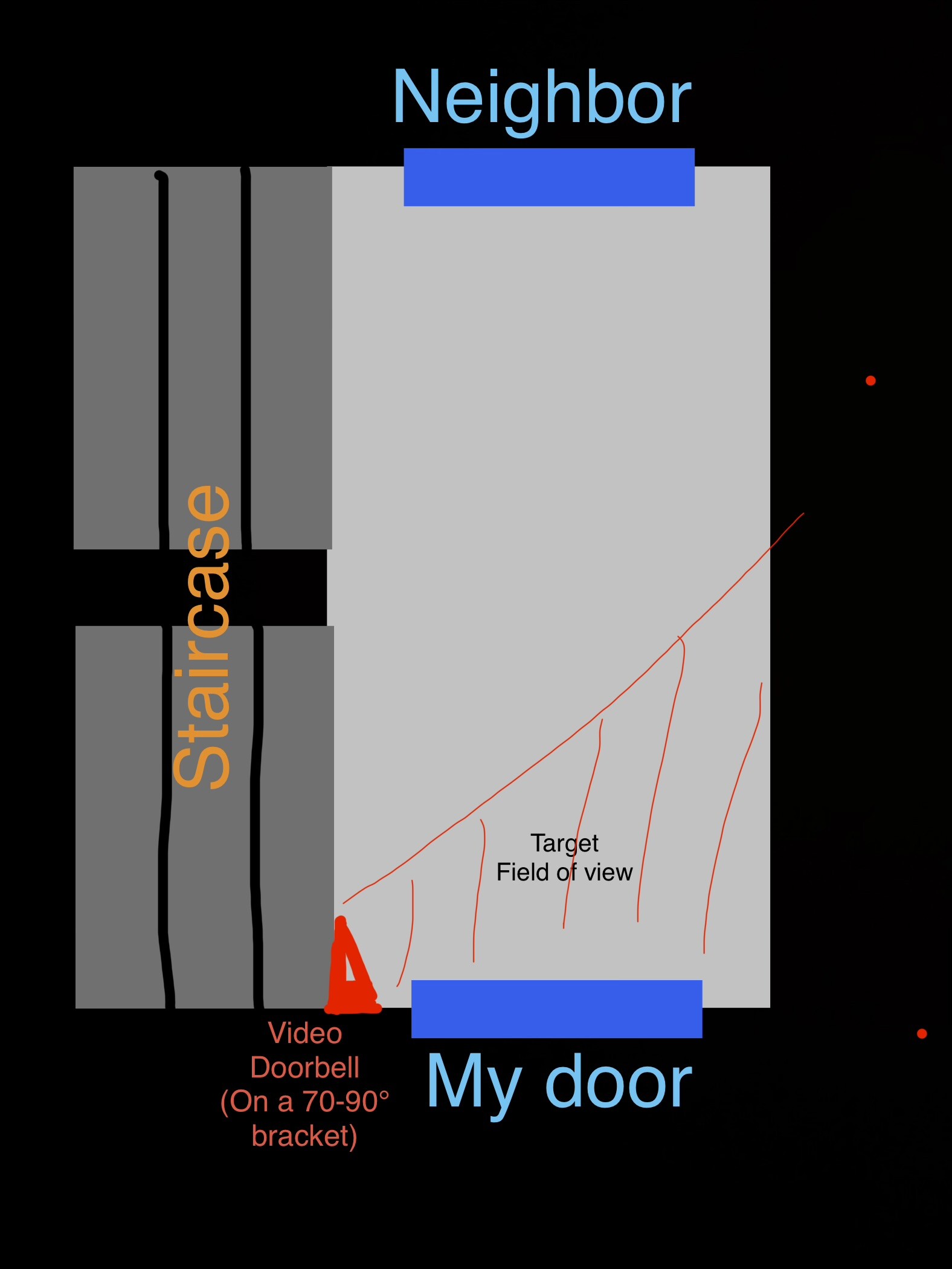
I don’t want to violate my neighbors’ privacy, so I was thinking about mounting it on an angled bracket so it will only record what’s happening around my door.
So residents of EU - what do you think of my idea? Do you think I should bother? Or do you use a video doorbell yourself?
Additional info: there is a locked door to the staircase, but people often leave it open or just let anyone in (you just need to say you’re the cleaning crew or the electrician etc and then hide in the basement). And of course, this first door can be quietly lockpicked (especially given there are no cameras outside). I intend to mount the video doorbell inside, near the door to my apartment.
Yes, the masking part, I knew that, but I didn’t know there was a setting that starts recording after presence lasted some time, thanks! That’s actually really helpful in my case
Do you think G400 is really worth it over G410? I don’t know if I’m allowed to run a new cable outside and I was thinking of using a battery-powered G410 or repurposing the wires of my current “dumb” doorbell (and replacing the chime with a transformer)
Hello, psychologically it’s better for neighbors to see that the camera isn’t “looking” at them. How can you prove to them that you “cut” them out of the video☺️
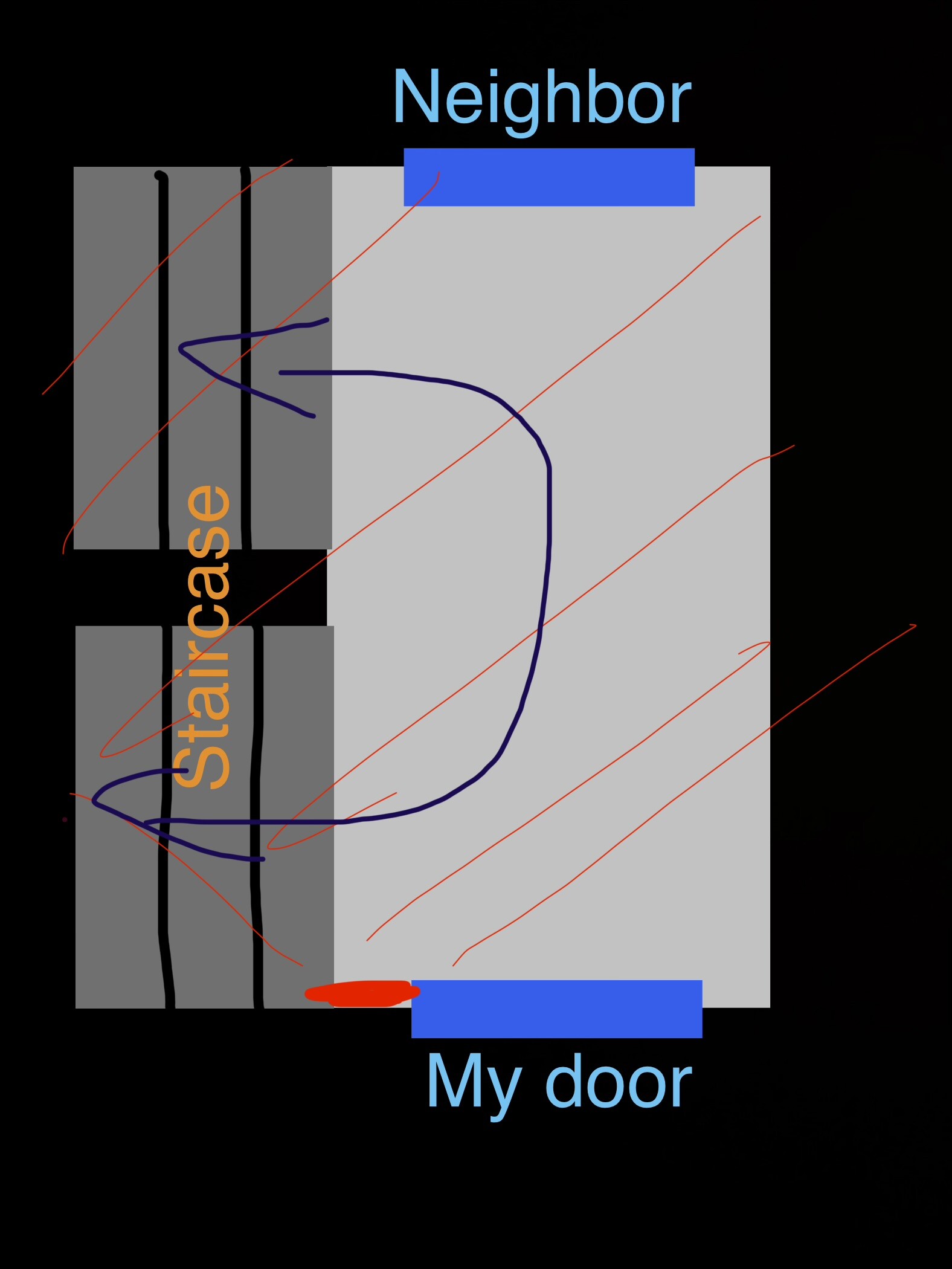
That’s exactly the reason why I want to use an angled bracket! The camera mounted flat on the wall would point just at the door. So if someone rings my door and my neighbor opens their door, the camera would just record the inside of their apartment.
And another reason for an angled bracket - it would also record the staircase if mounted flat. So neighbors from upper floors would also get recorded while going through the staircase (and no, there would be no way to mask them out, because you need to walk through the corridor to get to the other stairs)
If you are planning to install this in an apartment building, there are a few technical and legal aspects you really need to consider:
In addition to the loitering duration setting, the G410 features a “Proximity Trigger” that is enabled by default. This ensures that the radar primarily reacts to targets approaching the doorbell frontally (radially towards the camera). Horizontal movements—like neighbors simply walking down the hallway—are largely filtered out. Since the radar is highly sensitive, disabling this function would result in significantly more unwanted micro-movements being recorded, which would drain the battery extremely quickly.
If your main concern is protection against burglars, keep the Wi-Fi vulnerability in mind. There are documented cases of burglars using Wi-Fi jammers to cut off the wireless connection. For a redundant security setup, the Aqara G400 would be the better choice—but only if you connect it via Ethernet.
If you are concerned about your neighbors’ privacy, motion-triggered recording in a residential block is legally very tricky. Continuous or motion-dependent video surveillance of communal areas (stairwells, walkways, neighbors’ doors) is generally inadmissible under the GDPR, or only permitted under very strict conditions. In practice, the only legally compliant setup often resembles a digital peephole—meaning the camera only transmits an image when someone actually presses the doorbell button. However, this completely defeats your purpose of recording people secretly rattling your door handle at night (since they certainly won’t ring the bell).
Thank you, the WiFi jamming is a great argument for the G400!
That’s actually why I’m considering the bracket and asking if you have a similar experience, because I was aware of the GDPR laws. So your insight is very valuable to me and I aim to just record the area around my door, as it can be considered as, well, area around my door and not a staircase or stricte communal space. I mean - somebody has to just stand directly in front of my door to be recorded, and my door is a private space in the same way my neighbors door is their private space.
But I wanted to confirm if my thinking and setup is correct, legal and just respectful to the others. Because I might be plain wrong.
And actually I’ve looked into the peephole solutions and actually most of them are motion activated or app-activated and some people just lie about them being doorbell activated to just make it “GDPR compliant”. Or in other words, they spread lies so neighbors would just stop complaining.
Of course, if it’s just a live video feed and it’s not recording anything, then it’s automatically compliant. But from a legal point of view, it’s very tricky to prove you’re not recording anything, especially if the device is capable of recording
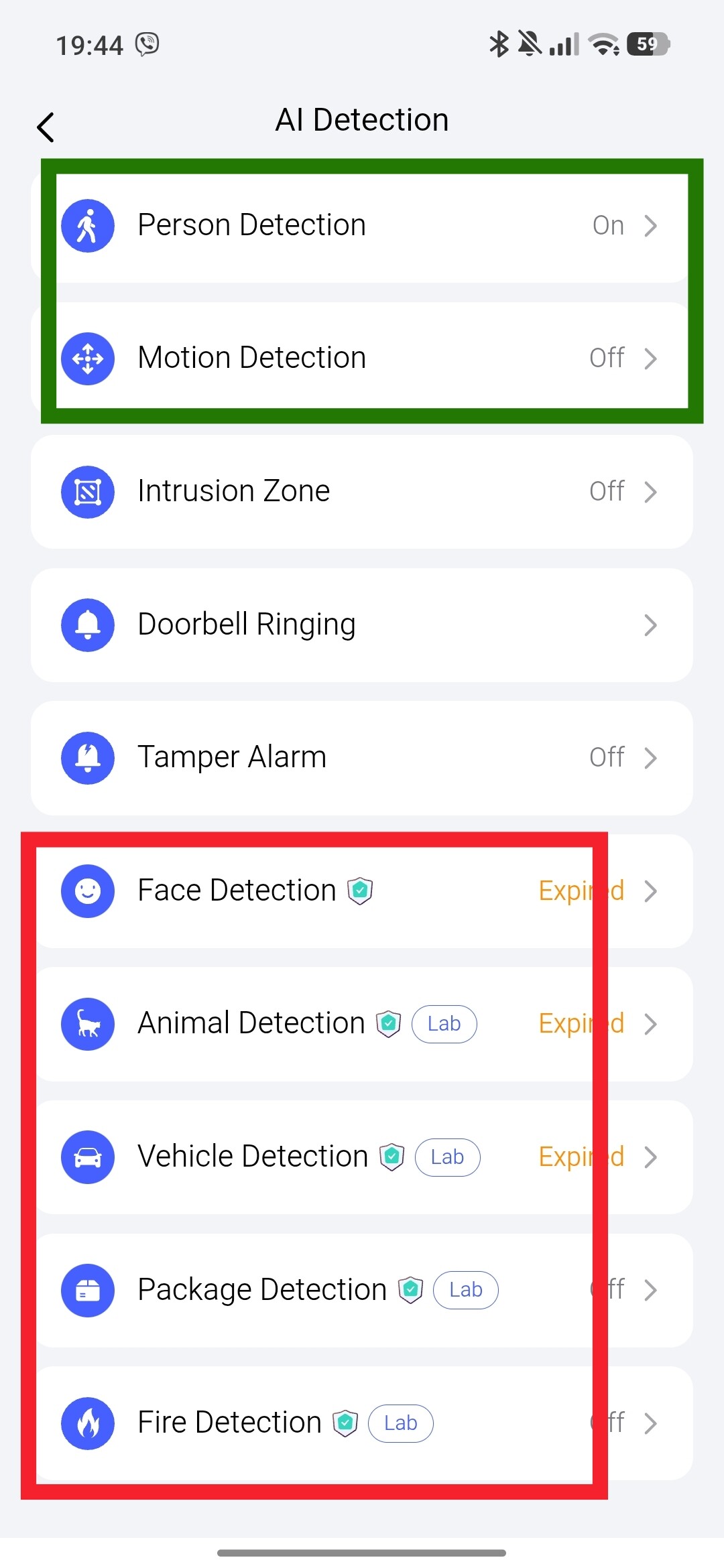
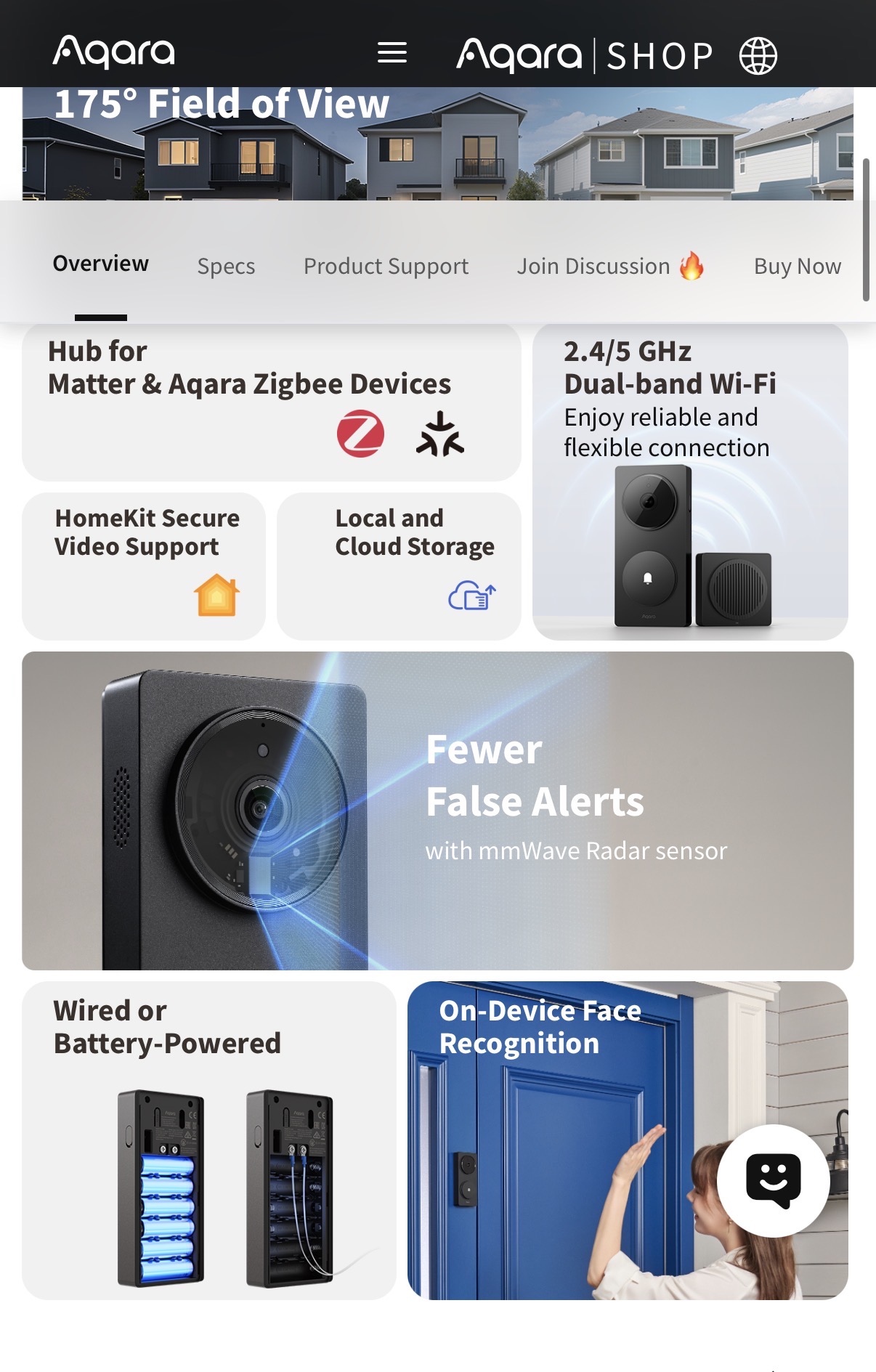
I haven’t used the G410, although I had the opportunity. I liked the G400 for its design and video calling (intercom to mobile phone). The main drawback is that it’s technically limited to local recognition (motion and human detection only); all other AI features rely on the cloud.
Fig. 1
The G410 has a built-in gateway, which I don’t need, so for me it’s redundant (I currently have 5 gateways in my house, 2 of which are unused).
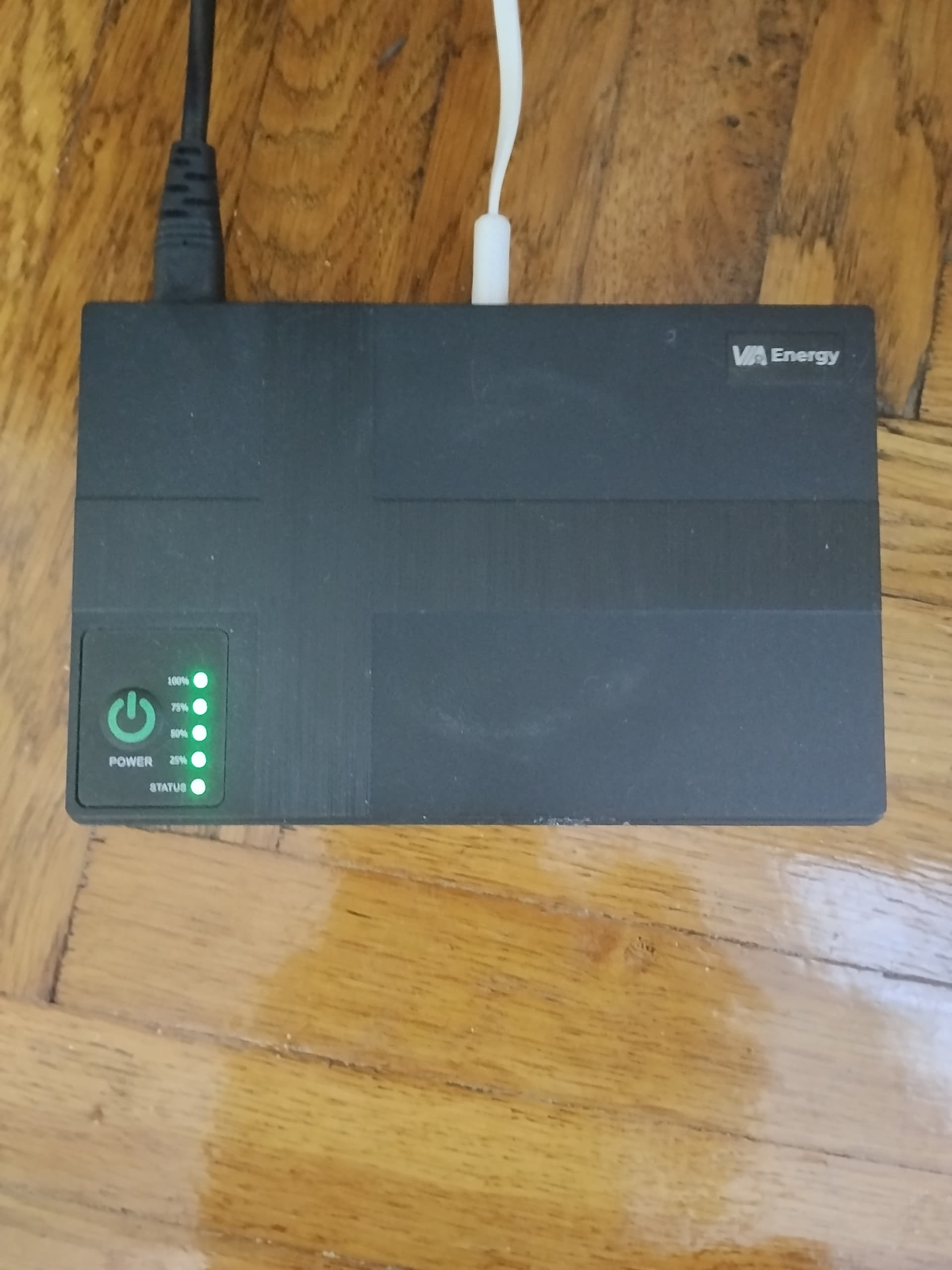
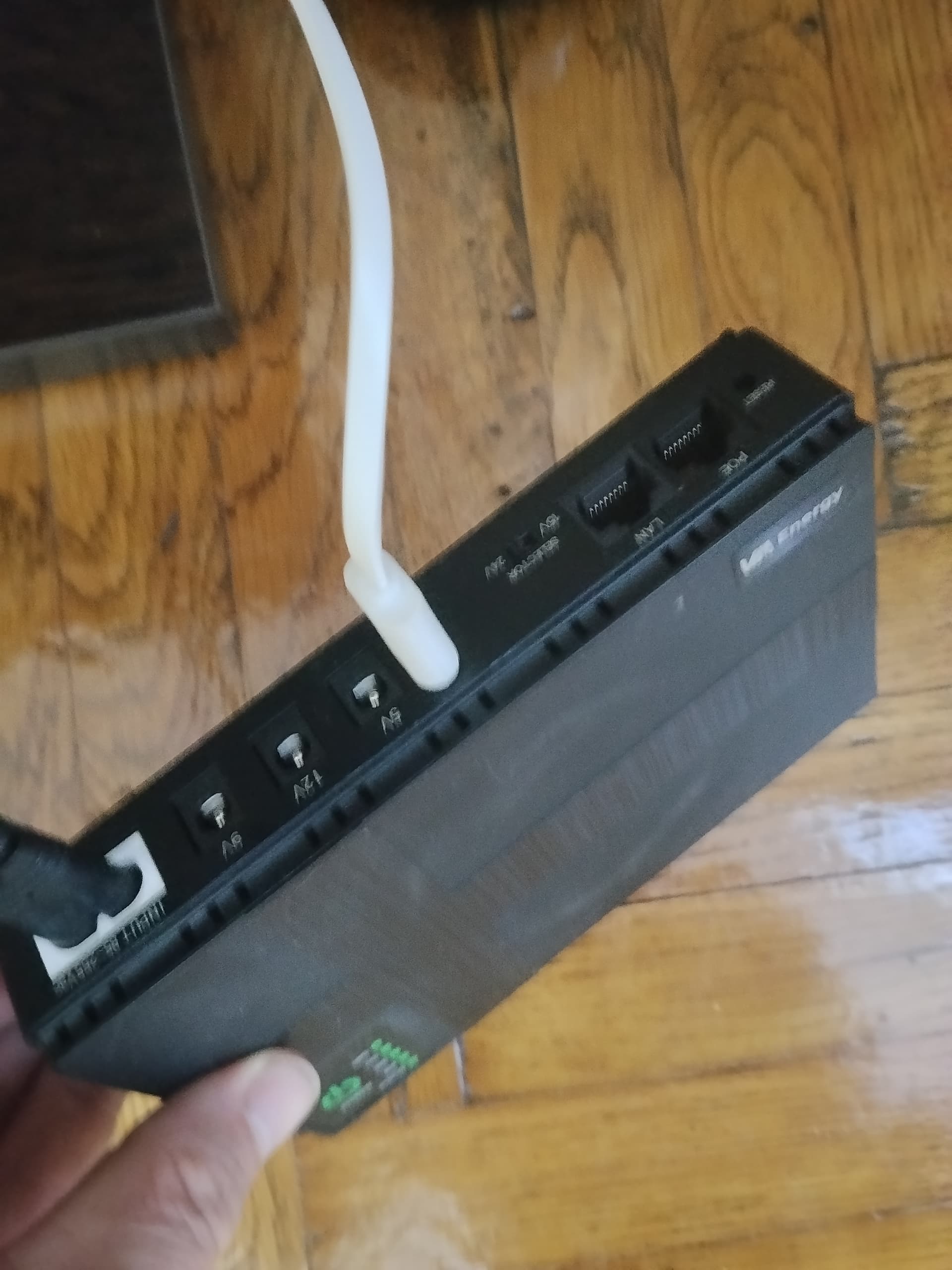
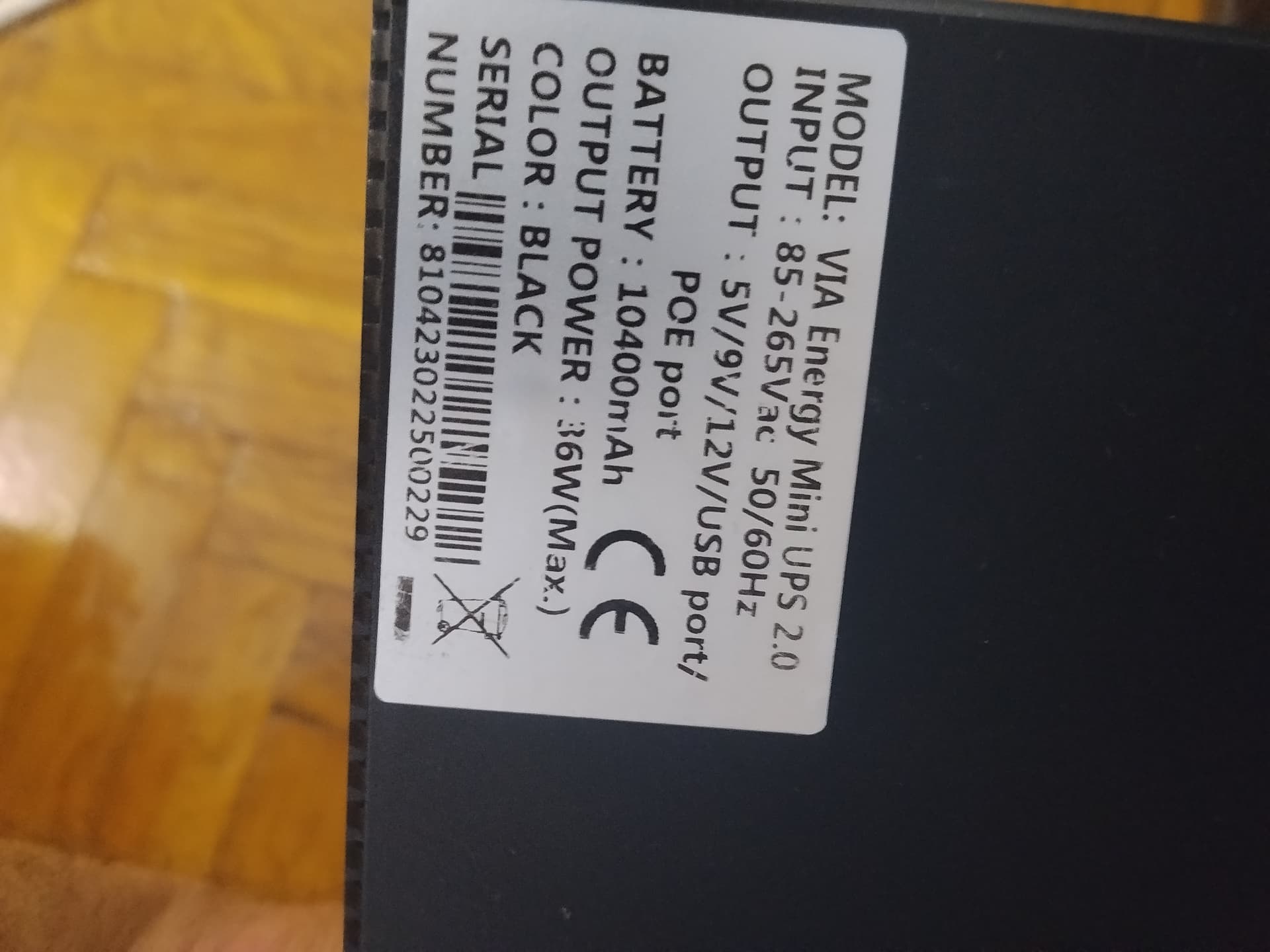
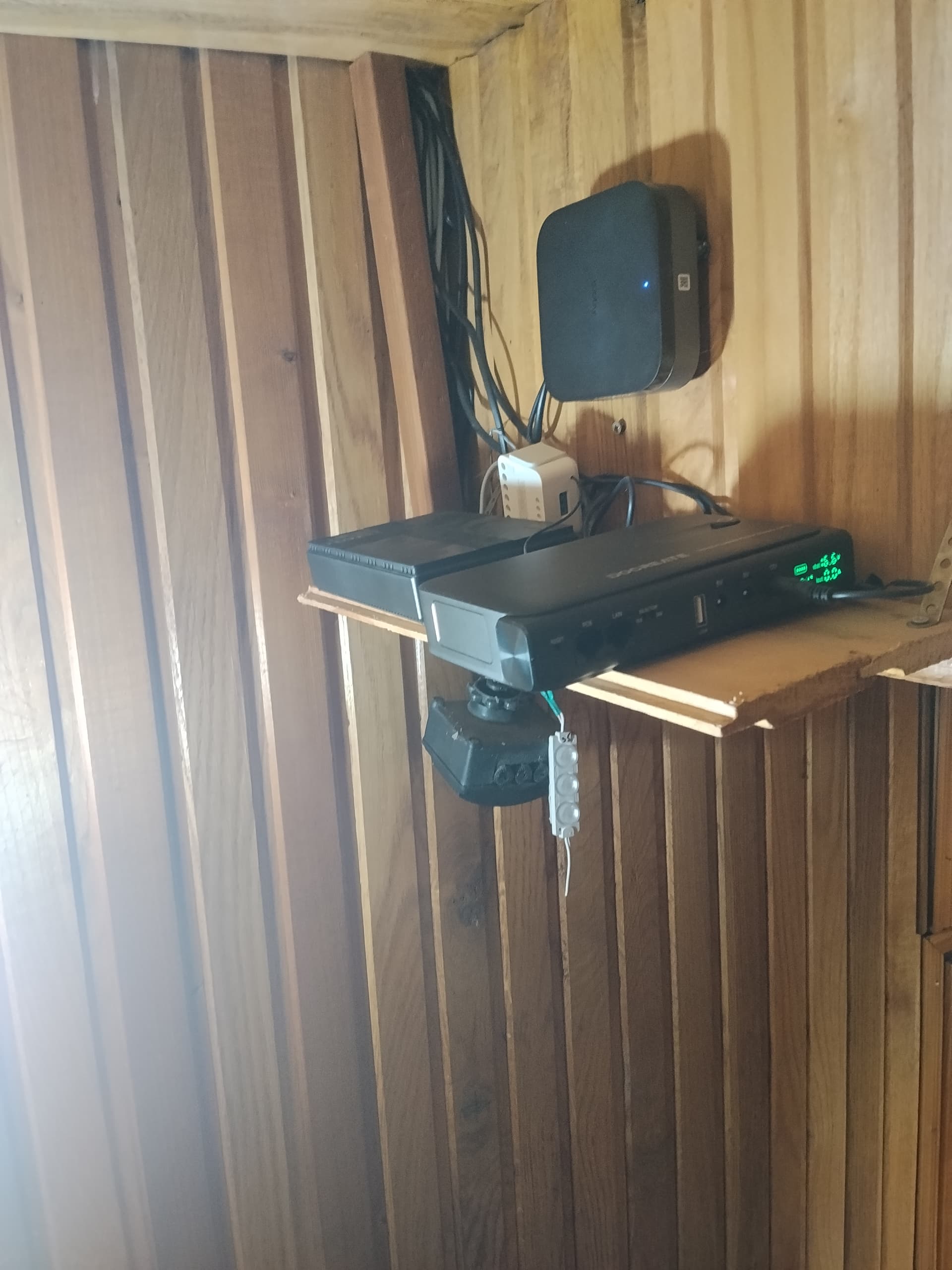
I solved the G400’s power supply issue with a 9–24V mini UPS. This ensures I can control the G400 during unstable power supply. You might want to consider this as well. Here’s my mini UPS. I use them throughout the house for my entire network.
Fig. 2
In a shared apartment building, the area directly in front of an apartment door is not automatically exempt from GDPR considerations simply because it is “your” doorstep.
In my case, however, my apartment is the last one at the end of the hallway, and nobody has to pass my door to reach their own apartment. That does not automatically make any form of video surveillance permissible, but the balancing of interests is often more favorable than for an apartment located in the middle of a corridor where other residents regularly pass by.
That said, it may still be relevant whether other residents could reasonably feel they are being monitored.
Just a small clarification: Not recording video does not automatically make a camera system GDPR-compliant. The European Data Protection Board (EDPB) notes in its Guidelines 3/2019 on video surveillance that live monitoring can still constitute the processing of personal data.
And if the camera can capture neighbors, visitors, or delivery drivers while cloud-based facial recognition is enabled, this would likely be viewed much more critically from a data protection perspective.
Thank you for the corrections, I’ll also edit my reply and cross out my mistakes so nobody takes them for a fact.
And what do you think about the image from the first post? Do you think it would feel like the corridor surveillance (my intent is to just have surveillance of my door, presence activated, not 24/7)?
Looking at the diagram, I would not describe it as full corridor surveillance. The camera appears to be aimed primarily at the area directly in front of the apartment door rather than at the staircase or the entire hallway.
That said, privacy concerns are not only about what the camera actually records, but also about how it is perceived by other residents. Even if the field of view is limited, neighbors may not know exactly what the camera can or cannot see. In some jurisdictions, the perceived possibility of being monitored can itself be a factor when assessing the impact on privacy.
There have also been court rulings where dummy (fake) cameras had to be removed. Even when no actual recording takes place, a camera can still create the impression that people are being monitored. Whether that concern is justified in a particular situation is a separate question, but the perception itself can sometimes be legally relevant.
In short: if you ask a lawyer, they will probably point out the legal risks and advise caution. In practice, however, things can look quite different. If you explain your reasons for the camera to your neighbors and landlord, you may find that nobody objects to it—or that some people even support the idea. That said, the absence of objections does not automatically mean that the setup is legally compliant.
Actually I’m the owner/landlord of my apartment, so it’s a bit easier but I should really consult it with the neighbors.
And I can understand fake surveillance cameras being illegal. As the space is common, everyone has an equal right to use it. So if my neighbor (or a stranger) mounts a camera (no matter if fake or real, I have no way to know for sure), it impairs my right to freely use the space, because I can feel watched (something I didn’t consent to). So it effectively makes it unusable for me (or I cannot use it freely because I don’t feel comfortable being watched), which contradicts the idea of “common” space.
Interesting discussion. Regarding masking, does the mask define an area that is blocked from being recorded? Or does it just define the trigger area, but still record the entire scene?
Under “Privacy Masking” you can block out specific areas using black boxes. These areas will then also appear black in the recordings, which means that neither the camera itself nor an Apple Home Hub will be able to detect any motion, people, etc., within those zones.
As far as I know it just allows you to cover part of the video in black boxes, the camera just sees black boxes in those areas and it isn’t recorded (person detection also doesn’t work in those areas).
By the way, just to give you an idea of how this is handled in a corporate setting: I know of a company that installed cameras. However, this is only permissible if there is a legitimate interest, such as the protection of property. The cameras must not be used for employee monitoring or time tracking, though. Every employee had to be instructed and sign a document acknowledging they have been informed about the video surveillance at the entrances and exits. In addition, every employee was shown exactly what the cameras record and what they don’t, as well as at what times this occurs, to make it clear that no personal monitoring is taking place. This briefing has to be repeated every few years and must be completed by every new employee. And, of course, when upgrading or modifying the video system. The areas where video recording takes place must be clearly indicated by signs and/or floor markings. I can tell you, it is a massive amount of effort. You really need to weigh up whether all that work is actually worth it.
Please keep in mind, though, that this specific example applies to companies, and the legal framework regarding video surveillance can always vary significantly depending on the country you are in.
At least in Germany I think this would help to beware the privacy of the neighbors. Having the doorbell physically recording away from the area other neighbors will be seen is more appreciated than having set up no recording areas as the neighbors don’t know the settings
Yup, personally I wouldn’t want a camera or peephole of my neighbor pointed right at my door. Sometimes the deliveryman knocks on my and my neighbors’ door at the same time to save time, and a camera pointed straight would just record the inside of my neighbors’ apartment.
Somewhere above (in the replies) I’ve attached a diagram of a situation I want to avoid (it would just record people going through the staircase and my neighbor)