Hey all, just wanted to share some things I learned the hard way about placing Aqara motion sensors. I’m a smart home enthusiast, but man—these little guys can be a bit tricky if you position them wrong.
At first, I had them way too high up, like near the ceiling, thinking it would catch everything. Nope. Missed half the movements, especially if people were just sitting or walking slowly. Then I tried putting one right by the front door and caught every passing car instead. Facepalm.
So here’s what’s actually worked for me:
Chest height = sweet spot. Around 4–5 feet off the ground caught both standing and sitting motion well.
Angle matters a LOT. I tilted one slightly downward and boom—no more false triggers from the hallway light reflecting.
Corners are gold. Using the 90-degree view from a corner got the best room coverage.
Don’t put it near heat sources like radiators… discovered that after it kept pinging for “phantom” motion, oops.
Anyone else have positioning tricks or wild sensor stories? Always down to hear how others tweaked their setups.
@RobotRoomie Thank you for sharing your experiences with placing Aqara motion sensors! Your insights are incredibly valuable for anyone setting up a smart home. It’s interesting to hear how positioning can significantly affect sensor performance. Your tips on optimal height and angle, as well as avoiding heat sources, align well with recommended practices.
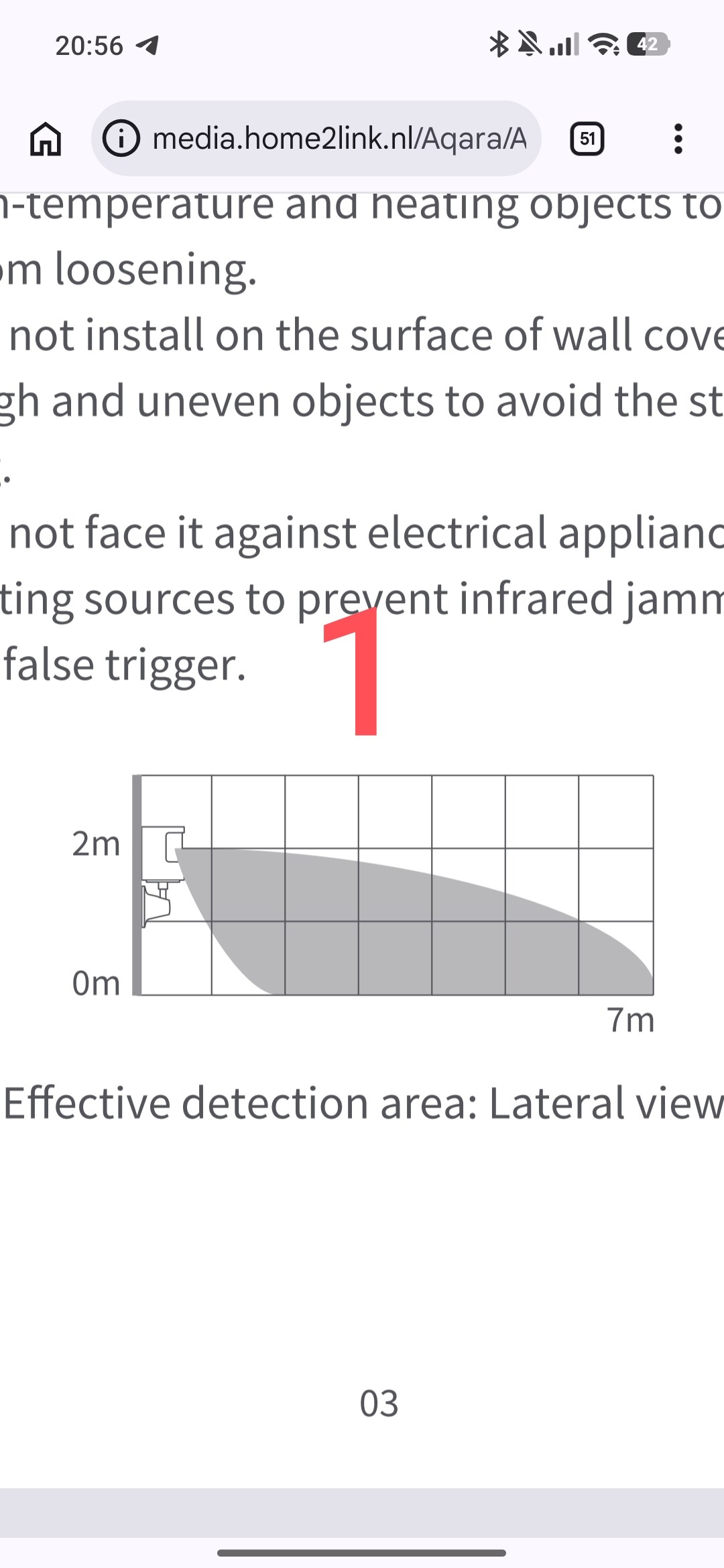
For those curious, the Motion Sensor P1 and P2 are typically best installed at a height between 1.2m (about 4 feet) and 2.0m (about 6.5 feet), which matches your findings. Ensuring they’re not obstructed and angled correctly can indeed minimize false triggers, especially from reflective surfaces or heat sources.
Your story about catching every passing car is relatable and a good reminder for careful placement away from high-traffic areas. It’s great to encourage discussion, so let’s see if others have unique placements or sensor stories to share! Keep the tips coming, and thanks again for contributing to the community!
Having it at chest height requirement would be a bummer, ideally we do want it to have it higher up so it doesn’t get touched normally. Having it around 1.5 meters off the ground only sounds like it would be an issue if there are kids at home.
I’m wondering whether the P1 sensor cannot detect motion through double-glazing when the glazing (large patio window) is about 1M away, and the sensor is at an angle relative to the window, that is to say: not orthogonal to the glass.
I thought as much.
If the sensor were to be repositioned such that it is very close to the glass and orthogonal to the glass, do you know if the sensor will detect motion on the other side of the glass/on the external roof terrace?
Otherwise, any suggestions how to detect motion on the outside terrace? (I think that a camera is a bit too obvious, and power etc. might be difficult.)
I have been using the motion sensor outside, under a canopy, for four years now. I suggest simply placing the motion sensor on the terrace. The main condition is that the sensor should not get rain.
Well an motion sensor can be placed every where all depends for what you need it and what do you need to automate with it.in your case it worked the way you place it, but I have seen ppl place it under the cabinet or drawer and worked.i have 2 motion sensors one on the bathroom and other on a small hallway and both worked on the first setup.
The topography and building configuration don’t offer any suitable location where the sensor could be sited such that it would never get wet.
We get frequent violent thunderstorms, so much so that the screen window is rated for severe exposure.
Any other suggestions or ideas would be appreciated.
Yeah that is because of the sun the light coming from outside and the reflection of the glass.but why not place it outside? if that is what you need to achieve.
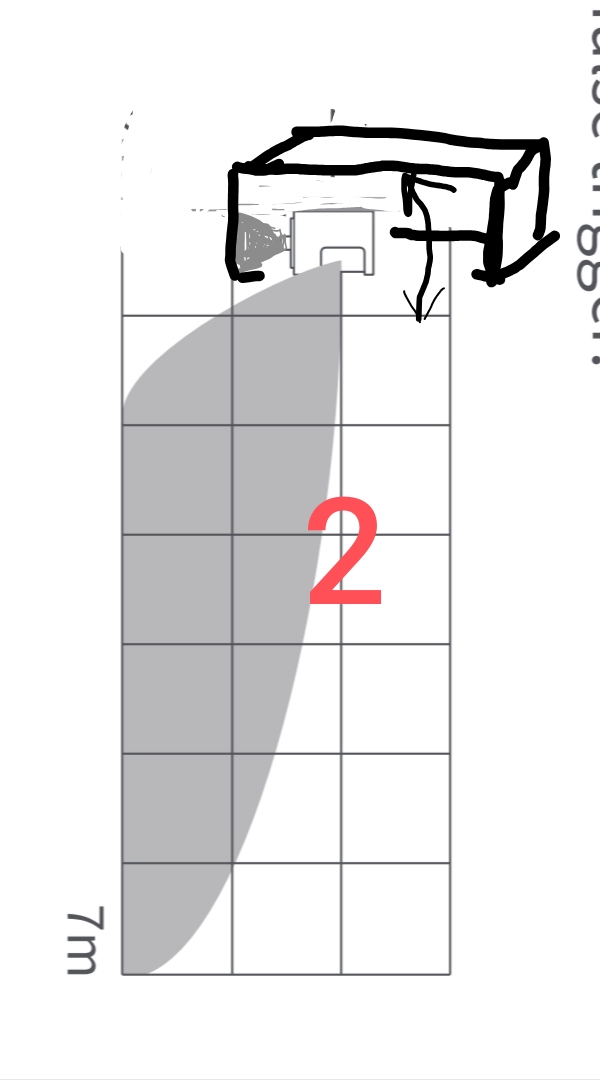
I do not see on the photo how is your window and the wall outside but the good thing with devices powered by batteries is that you can place them were you want even if you place it on the top corner of the window frame for example and angle it to were you want it to detect.one I have I stick it on the side door frame.
gafich10 thank you for your suggestion. I appreciate the time you have taken to explain and illustrate it.
In theory this should work, but I’ll explain why I feel that this is not going to be viable in my particular situation.
Our house is situated on a ridge in an ancient fortified hill town, and the wall to which the sensor is to be fixed lies parallel to the ridge facing slightly south of west.
We experience frequent, very violent thunderstorms, and as a consequence the glazed screen in this wall facing the roof terrace is justifiably rated for ‘severe’ exposure.
The winds come up the valley and as they rise up over the lower adjacent (sloping) roofs they accelerate. Ours is the only roof terrace on this ridge, and we stand at least 3M above the house to the west (only 3M away).
As a consequence of the topography and location of the terrace, this wall is subject to extreme wind conditions. The wind hits the wall, and disperses around it, up, and to the side, with acceleration. In the worst of the storms we experience rain that is not only horizontal, but for the upper third of the wall the rain is also driven in an upward direction.
If the Sensor were to be enclosed in a box, I am certain that the box would have to be completely closed, and completely weathertight.
And, therein, lies another problem - the roof terrace is exposed to the sun from dawn though to about 15:00 every day, sometimes later. In an enclosed box with a glazed front (non-reflective glass, of course) and with no ventilation, I suspect that there could be serious issues with temperature inside the box.
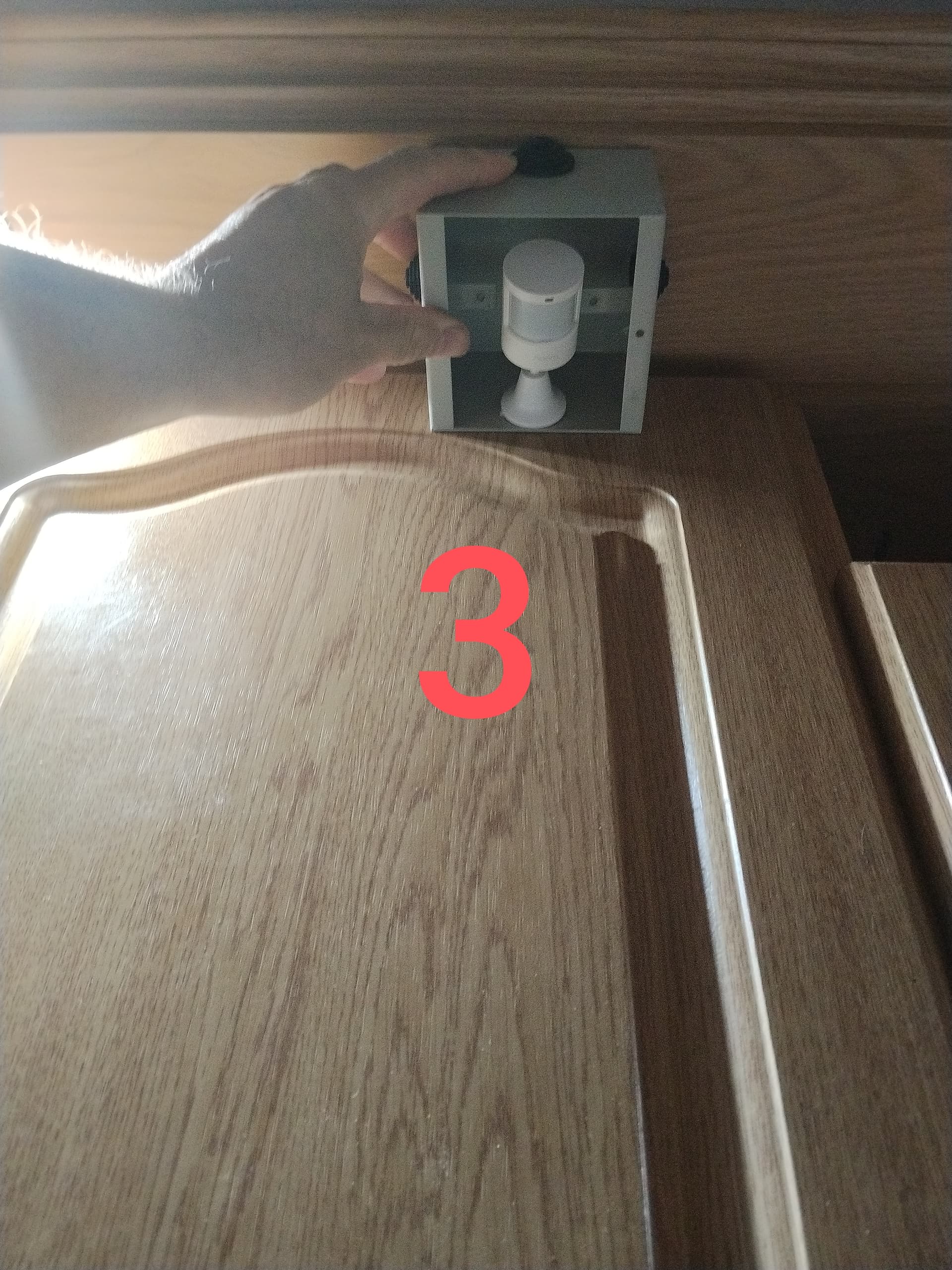
Hello, thank you for appreciating my work, I am always ready to help. I have an idea, if you make a box with a plastic partition at the bottom. After all, plastic is used in the sensor. I will conduct an experiment and investigate such a version. Regarding the temperature, I think there will be no problem.
gafich10
It would be possible to mount the P1 sensor very close to the screen glass, but inside the room.
Two ideas occur to me. 1: mount it in a black box so that reflections are minimised (I do something similar by pulling my coat over my camera when taking photos through reflective glass) 2: point the sensor directly at the glass (i.e. orthogonal) and treat a local area of glass such that tye glass is non-reflective.