I’ve been lucky enough to test the new Aqara U600 ahead of its official release, and having previously used the U200 on my front door, I thought I’d share my experience and how the two compare.
I’ll start by saying that I really like the U600. For me, it’s a massive improvement over the U200, particularly for the type of multipoint locking doors we commonly have here in the UK. It’s not completely without its drawbacks, and I do have a couple of questions around physical security that I think are worth discussing, but overall, I’m really impressed with it.
Installation and First Impressions
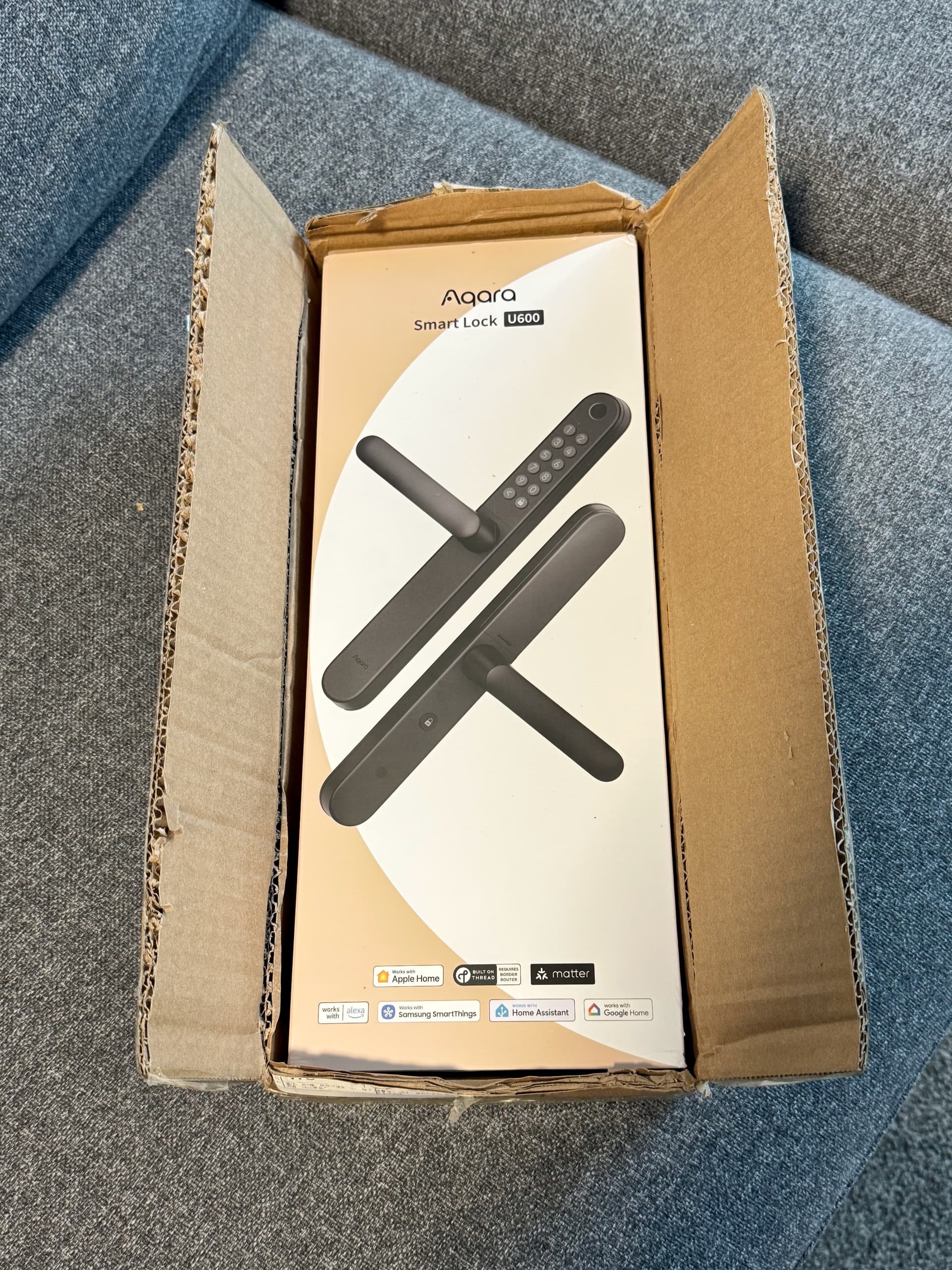
I received the U600 on 28th September and initially installed it on my back door on the 30th. I already had the U200 installed on my front door, and before replacing it, I wanted to spend some time testing the U600, particularly from a physical security perspective. I also wanted to check a few things with my home insurance provider, which I’ll come back to later.
Installation on the back door was straightforward, and everything went together without any issues. Once I was happy with it and had confirmation from my insurer, I moved it to my front door to replace the U200.
Installation was generally straightforward again, although I did run into one problem worth mentioning. One of the connecting wires between the internal and external parts of the lock is very thin and quite delicate, and unfortunately I managed to break it during installation. Luckily, I’m reasonably handy with a soldering iron and was able to repair it, but it’s definitely something I’d advise being careful with.
One improvement I’d like to see would be replaceable connecting cables. Currently, one end has a connector, while the other disappears into the lock body. Having connectors at both ends would mean that if a cable gets damaged, it could simply be unplugged and replaced rather than potentially requiring a repair or replacement of the lock itself.
Build Quality and Appearance
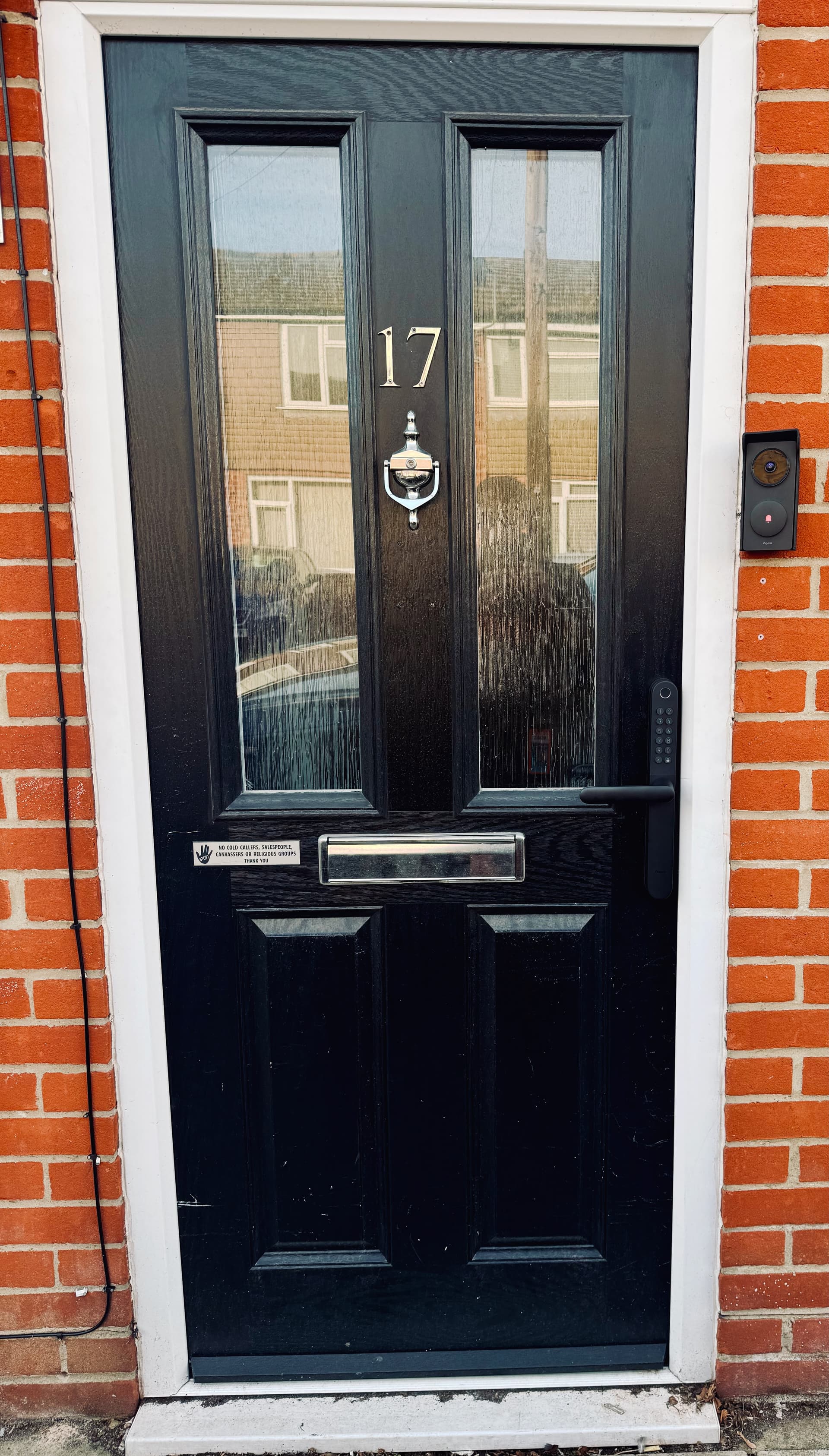
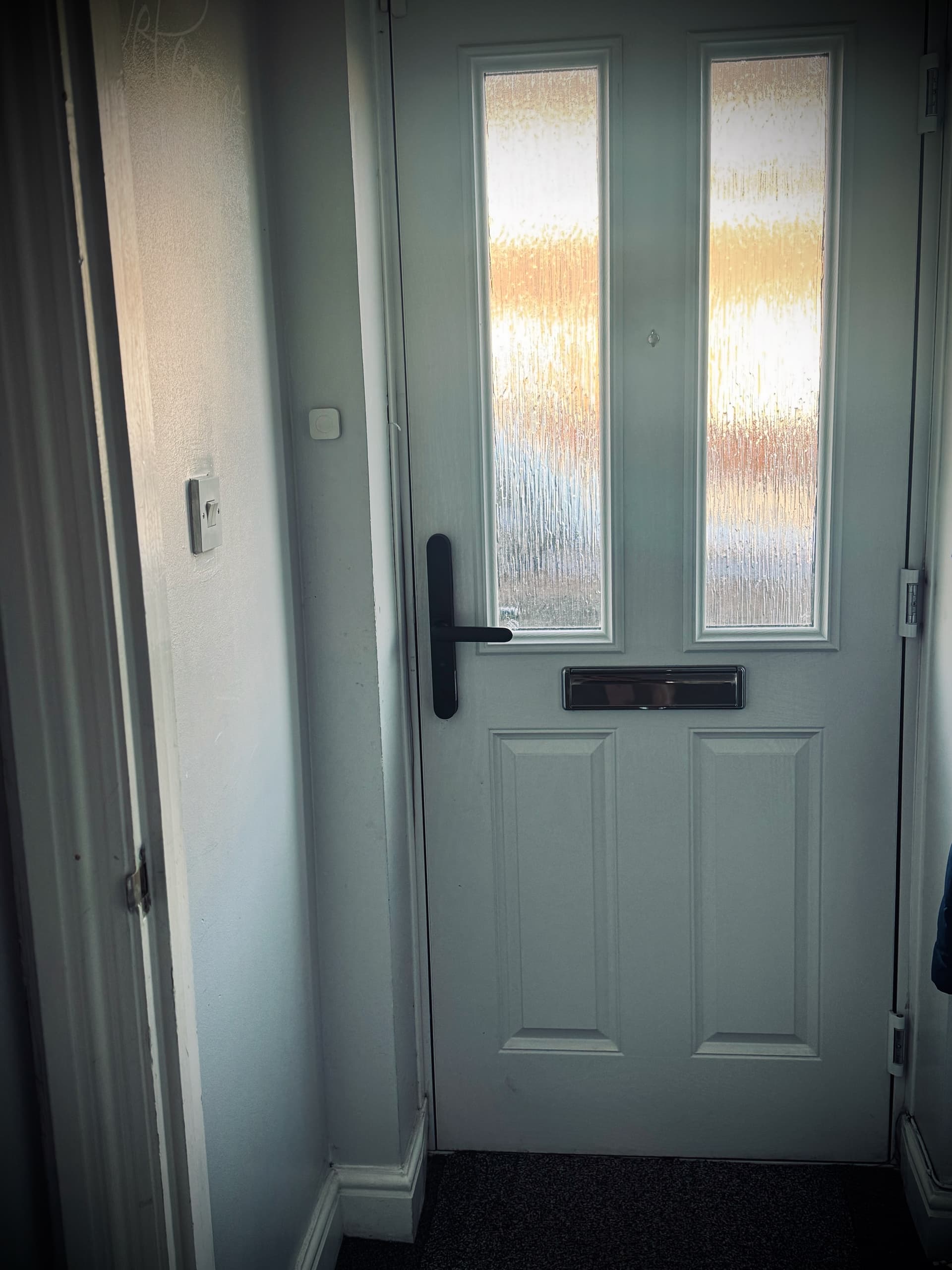
This is one area where the U600 is a huge improvement over the U200. Don’t get me wrong, the U200 was a good first step into smart locks, but aesthetically it always looked like something that had been added to the door afterwards. The fairly bulky plastic unit attached to the inside of the door wasn’t particularly attractive.
The U600 is completely different. Everything is integrated into the handles themselves, so it looks much more like it was always meant to be there. The build quality is excellent too, with a solid metal construction and handles that have a nice, substantial feel to them. Everything feels sturdy and premium, certainly more so than the U200.
I also really like the black finish. My front door is white on the inside and black on the outside, so the U600 contrasts nicely against the white interior while blending in with the exterior. It’s a much cleaner and more integrated solution.
The Biggest Improvement: How It Actually Locks
For me, this is where the U600 really shines.
The U200 works by physically turning your existing locking cylinder using a motor. On a typical UK multipoint door, that means you need to lift the handle to engage the multipoint mechanism before the U200 can successfully lock it.
The U600 takes a completely different approach. Rather than turning a cylinder, it electronically engages or disengages the external handle from the spindle. This might not sound like a huge difference, but in everyday use, it’s massive.
With the U200, unlocking meant waiting for the motor to turn the cylinder before you could operate the handle. To be fair, it wasn’t particularly slow compared with unlocking the door manually using a key, but there was always a noticeable delay between authenticating and being able to open the door.
With the U600, unlocking is almost instant. I’d estimate around half a second. I primarily use Apple Home Key on my Apple Watch or the fingerprint reader, and by the time I’ve authenticated and moved my hand onto the handle, it’s already ready to open. There’s no waiting around for a motor.
No More Forgotten Handle Problems!
One of my biggest frustrations with the U200 was forgetting to lift the handle when leaving the house. If you’ve got a UK multipoint door, you’ll probably know what I mean.
With the U200, if you forgot to lift the handle, the lock would attempt to turn the cylinder but couldn’t because the multipoint mechanism hadn’t been engaged. This could result in the lock reporting a jam or failed locking operation.
The U600 completely changes this. Because it controls the external handle rather than the cylinder, the handle can be disengaged regardless of whether you’ve lifted it to engage the multipoint mechanism.
I’ve configured mine to disengage the external handle immediately after it’s been used, meaning you need to authenticate again before the external handle will operate a second time. So now, when I leave the house, I simply open the door using the internal handle, walk out and close it. The external handle is already disengaged, so someone outside can’t simply push it down to open the door.
There is an important distinction here, though. If you haven’t lifted the handle, the multipoint locking mechanism isn’t engaged. So while the external handle won’t operate the latch normally, the door isn’t secured to the same level as it would be with all the multipoint locking points engaged. For maximum physical security, you should still lift the handle.
But from a convenience perspective, this is a huge improvement. Even if I forget to lift the handle, the external handle isn’t left freely operable. And when I do lift the handle, I don’t have to wait for anything. There’s no motor trying to turn the cylinder, and no possibility of the U200-style locking jams caused by forgetting to engage the multipoint mechanism first.
Everyday Use and Reliability
Since installing the U600, I’ve had absolutely no issues with it. No failed unlocks, no connectivity problems, no unexpected behaviour and no troubleshooting. Both Apple Home Key and the fingerprint reader have worked quickly and reliably every time.
It’s one of those things you quickly stop thinking about, which is exactly what I want from smart home technology. Compared with the U200, which occasionally required some attention when the locking mechanism jammed, the U600 has been noticeably more reliable in my experience. It just works.
Obviously, I’ve only been using it for a couple of weeks at the time of writing, so I can’t comment on long-term reliability yet. But so far, it’s been excellent.
Matter and Apple Home Integration
I’m primarily an Apple Home user, so integration with Apple Home was important to me.
I initially added the U600 to the Aqara app so I could explore the available settings and configure everything. After that, I added it to Apple Home using Matter. The whole process was straightforward, and it connected first time. My existing Apple Home users were also carried over seamlessly, which was a nice touch.
Apple Home Key works exactly as I’d hoped, and unlocking with my Apple Watch has been quick and reliable. The U600 doesn’t support Ultra Wideband (UWB) hands-free unlocking, so you do need to authenticate at the lock using your phone, watch, fingerprint or another supported method.
Personally, this doesn’t bother me. I actually prefer having to deliberately unlock the door when I’m physically standing in front of it, rather than having it unlock automatically based on my location.
I’ve also not found any need to create automations for locking, since the U600 already handles that itself. I haven’t tested it with Home Assistant, so can’t comment on that integration.
Battery Life
Not a huge amount to report here yet. Aqara claims up to 10 months of battery life, and after approximately two weeks of use, mine is still reporting 100%.
It’s obviously far too early to draw any meaningful conclusions, but I’ll hopefully update this review once I’ve had it installed for longer.
A Couple of Security Considerations
While I’ve been really impressed with the U600, there are two things I think potential buyers should be aware of, particularly here in the UK.
Home Insurance
Unlike the U200, which uses your existing locking cylinder, installing the U600 involves removing that cylinder entirely.
This is worth considering because some UK home insurance policies specify particular requirements for external door locks, including recognised security standards. If your existing cylinder meets a particular security standard required by your insurer, replacing it with the U600 could potentially affect your compliance with those requirements.
This was one of the reasons I initially installed the U600 on my back door rather than immediately replacing the U200. I contacted my own home insurance provider, Allianz, to clarify the situation.
Their underwriting team confirmed that my policy doesn’t have specific door lock warranty requirements for smart locks and that I would still be covered for theft or attempted theft. That gave me the reassurance I needed to move the U600 to my front door.
However, I’d strongly recommend checking with your own insurer before installing one . Just because my policy allows it doesn’t mean everyone’s will, and it’s worth getting confirmation rather than making assumptions.
Emergency Key Security
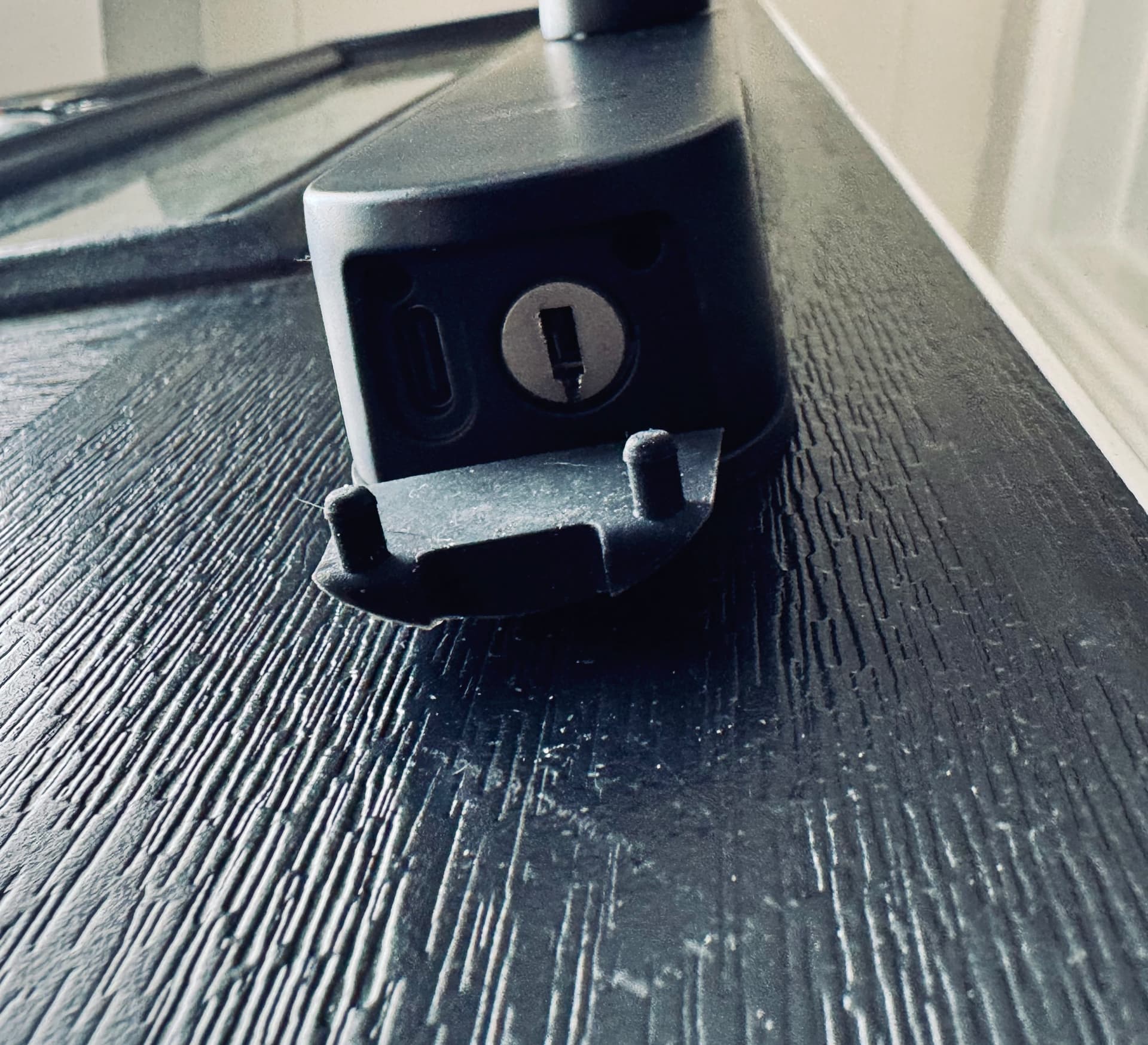
My second concern is around the physical emergency key mechanism.
The U600 includes an emergency key that allows the lock to be operated mechanically if needed. I’ve tested this, and it works as expected. However, what I haven’t been able to establish is how secure the mechanism actually is.
For example, are the emergency keys uniquely coded to each lock? How resistant is the mechanism to picking or other forms of manipulation? Has it undergone any independent physical security testing?
These are questions I’ve raised with Aqara, but unfortunately I haven’t received an answer yet.
To be clear, I’m not suggesting there’s anything wrong with the mechanism. I simply don’t have enough information to make a judgement about its physical security.
With the U200, you retain your existing cylinder, which could be a high-security cylinder with recognised independent certifications. With the U600, you’re replacing that with a different mechanism, and I’d really like to understand how its security compares.
I’d love to see Aqara provide more information about this, ideally including independent security testing or certification where applicable. If anyone from Aqara can clarify this, I’d be very interested to hear more!
What Would I Improve?
Beyond the security questions and connecting cable design I’ve already mentioned, there honestly isn’t much I’d change. For the way UK multipoint doors work, I think Aqara has come up with a really good solution.
A white colour option would be nice for people with white uPVC doors, and perhaps a rechargeable battery pack, although rechargeable AA batteries are a perfectly reasonable alternative.
Final Thoughts: Is It Worth Upgrading From the U200?
For me, absolutely.
The U200 was a good first step into smart locks, but the U600 feels like a much more complete solution for UK multipoint doors. It’s significantly faster, looks considerably better, feels more premium and, most importantly, removes some of the frustrations associated with the U200’s motorised cylinder mechanism.
The one area where I think the U200 still has a potential advantage is that it allows you to retain your existing locking cylinder. If you’ve invested in a high-security cylinder with recognised certifications, or your home insurance specifically requires one, that’s something worth considering before upgrading. That doesn’t necessarily mean the U600 is less secure, but until there’s more information available about its physical security, I think it’s a reasonable consideration.
For me, the U600 is what I always wanted the U200 to be. It’s faster, looks better, feels more premium and works much more naturally with UK multipoint doors.
My only real reservations are around the lack of information on physical security, particularly the emergency key mechanism, and the potential implications for home insurance. Those are things I’d encourage anyone considering the U600 to investigate before buying.
But having checked with my insurer and spent time using the lock, I’m extremely happy with it. It’s worked flawlessly so far, and I genuinely wouldn’t go back to the U200.
**If you’re currently using a U200 on a UK multipoint door, I’d absolutely recommend considering the upgrade.✱
Happy to answer any questions if anyone wants to know more about my experience with either lock.
Disclosure: I received the U600 as part of Aqara’s early-access testing programme. All opinions are my own and based on my personal experience using the lock.