As a smart home enthusiast, I’ve been diving into various devices and their integration into my ecosystem. One topic that’s been on my mind is the compatibility and seamless control of different devices. For instance, I’ve been experimenting with the Terncy Smart Dial and its compatibility with Sonos speakers. It’s fascinating how a simple rotary dial can now control audio settings so effortlessly. This integration opens up a whole new level of convenience, especially for those who prefer tactile controls over app-based interactions. 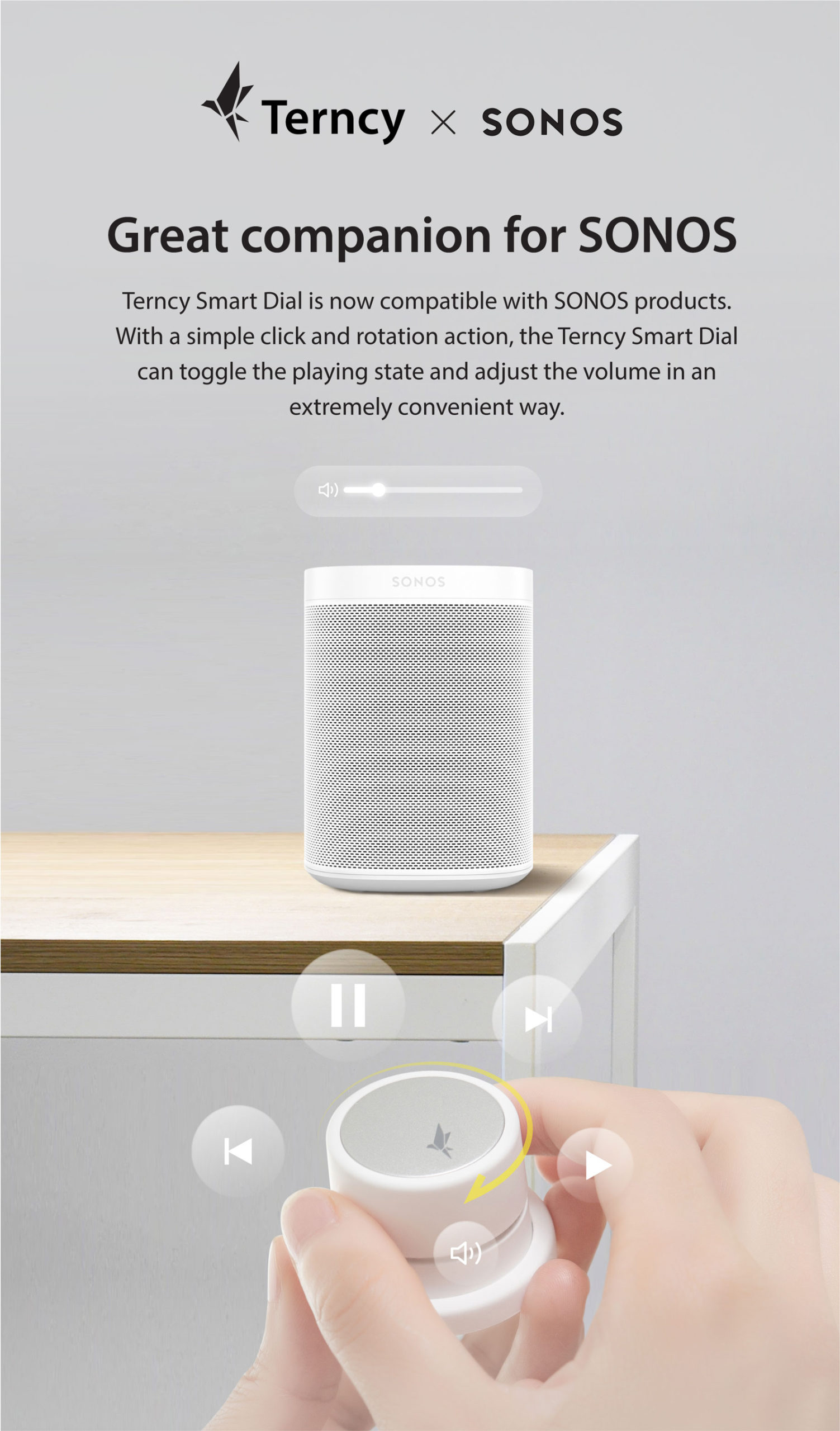
Another area I’ve been exploring is the control of lights and receptacles in my living room. I recently purchased a Z-Wave switch and receptacles to bypass the need for manual light switching. The idea is to have one outlet always on for charging devices, while the others can be controlled via the Z-Wave switch. This setup not only enhances convenience but also adds a layer of safety by ensuring devices can be charged without leaving lights on unnecessarily.
On the topic of mobile devices, I’ve been weighing the pros and cons of iPhone vs. Samsung for smart home control. While both platforms offer robust ecosystems, I’m particularly interested in how they handle widgets and smart home integrations. The ability to customize control panels directly from the home screen is a significant plus for me.
I’ve also encountered some challenges, such as ensuring that device states are accurately reported without triggering unintended actions. For example, when integrating a socket device (S) with remote switches (A and B), I noticed duplicated signals causing the device to enter a dimming mode. After some research, I found that using setCapabilityValue without triggering the device directly was the solution. This experience taught me the importance of understanding how flows and signals interact within the ecosystem.
Lastly, I’ve been following the development of the Netatmo Thermostat integration and am excited about the progress being made. The ability to control the thermostat’s modes and schedules directly from the app is a game-changer for those looking for a comprehensive smart home setup.
Overall, the journey into smart home automation is filled with both challenges and rewards. Each device and integration brings new possibilities, and the community’s shared knowledge and experiences are invaluable in navigating this space. I’m looking forward to exploring even more solutions and sharing my findings along the way!