I’m using the Aqara Smart Radiator Thermostat E1. I have tested it both via the M3 Hub and the Sonoff Zigbee dongle. Even though it is not linked to any automation, I occasionally notice that the radiators turn on by themselves. The thermostat is off, yet the radiators still get warm. Has anyone else experienced this issue?
6 Likes
Have you recalibrated it?
Two of my E1s had the same problem. The fastenings inside were broken, which is why it no longer works properly.
2 Likes
Yes, I perform calibration, but after a while the same issue occurs again. I have four devices at home, and all of them experience the same problem.
One of my E1-equipped radiators behaves this way too - supposedly off but still receives water flow when the boiler is on for other radiators. I have calibrated the E1 and even replaced the valve body (I think it had been sticking) but no change.
1 Like
Hello, I also had this problem. The fasteners in my case broke. I bought thin bolts, disassembled the thermostat and twisted them (I chose the bolts of the same thickness as the original ones, only a little longer, about 5mm). Pick up the bolts when you unscrew the old ones.
It’s been a year since everything has been working perfectly again.
4 Likes
To be honest, I haven’t opened up the thermostats to inspect their internals, but since I’m experiencing the same issue across four devices, I don’t believe it’s caused by a broken component. When I perform a calibration, the devices work correctly for about 10–15 days. However, after that period, I often notice that the display shows “OFF” while the radiator is still hot.
Now this is interesting. The E1 thermostat on my “warm despite off” radiator also has something broken. On mine it’s the plastic parts on the bottom of the case where the valve connecting nut is attached. There are six plastic tabs projecting down from the case body, each having an outward-pointing lug that retains the nut, and some of those lugs have sheared off. There’s evidently enough left to hold it in place so I decided that must be working adequately, but there are no bolts anywhere near there so it sounds like you’re talking about something different.
Looking at my one with the outer shell removed I see the cap is lifted slightly on one side when turned off. I guess that indicates something is broken inside as well as the outer lugs. Does that sound like the problem you had? I can easily imagine how that could mean the valve pin isn’t being pushed down fully, which would certainly explain the radiator still receiving heat when supposedly off.
1 Like
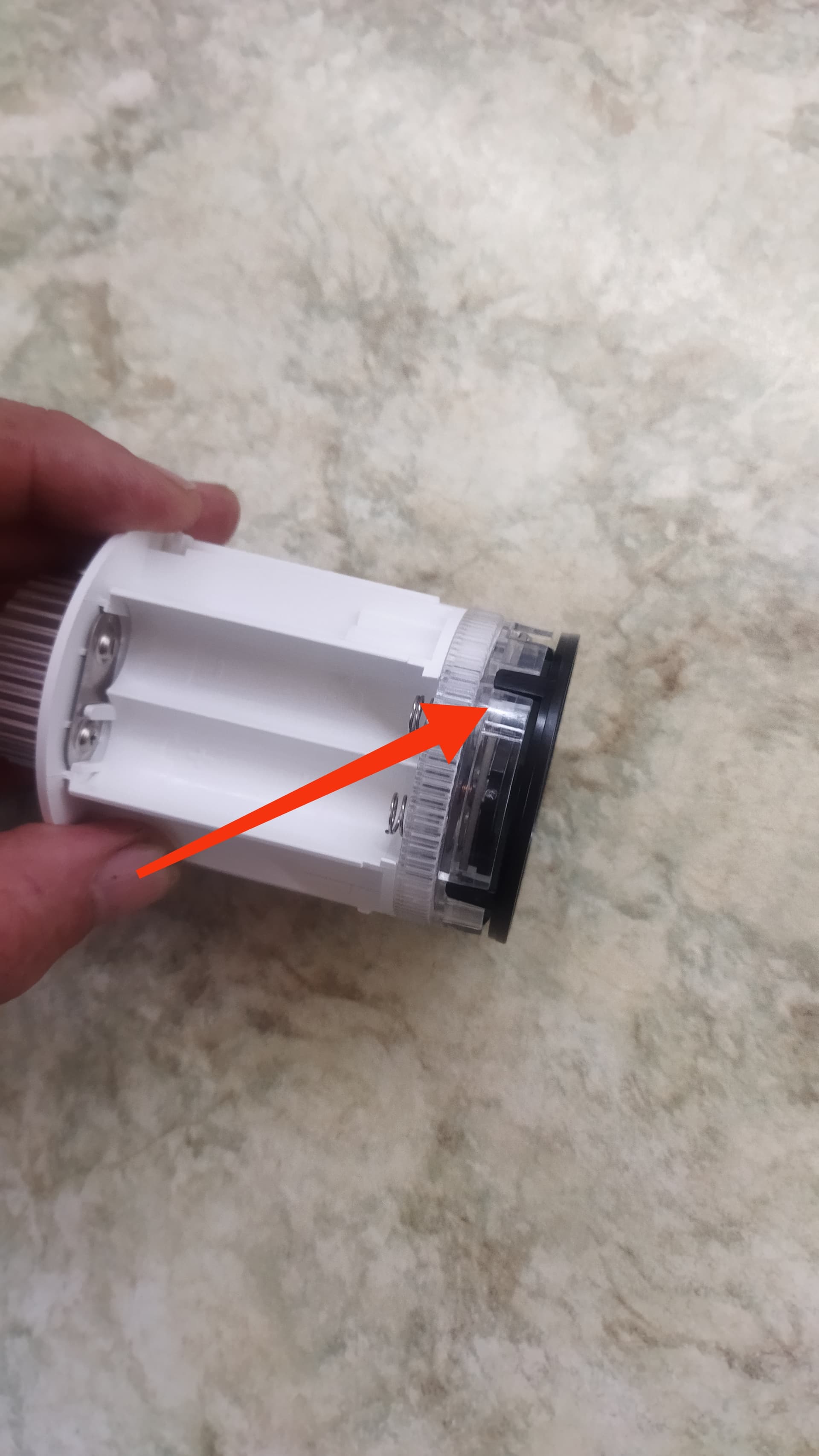
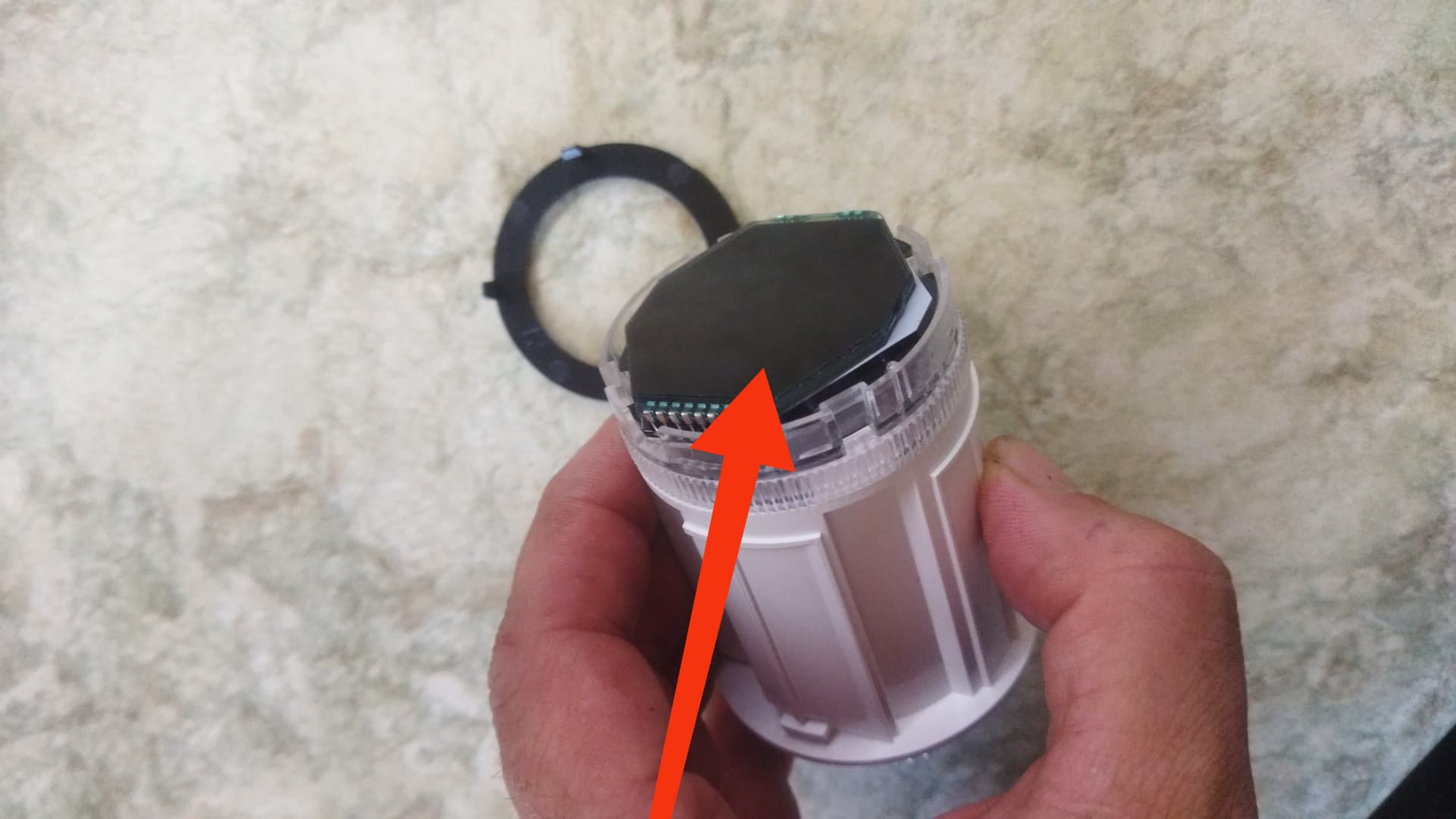
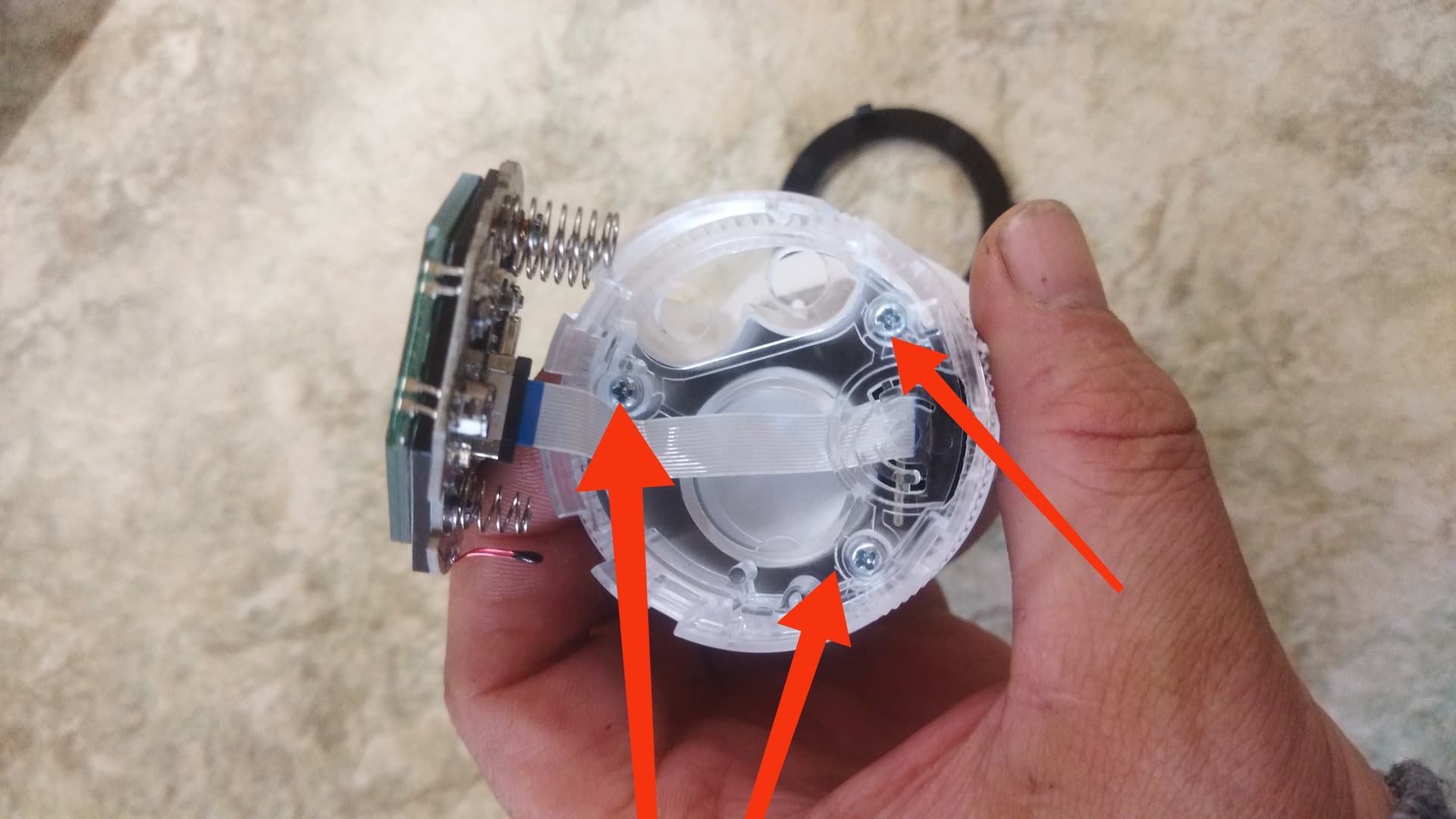
2 Likes
Right, got it thanks. I’ll pop mine off and take a look at that sometime in the next day or two.
The bit I was trying to describe is shown in these two images of another one that’s broken in the same way. The one that’s still in use has enough lugs remaining to retain the nut. This one only has one left so it’s probably toast unless I can find a suitable way to patch it up:
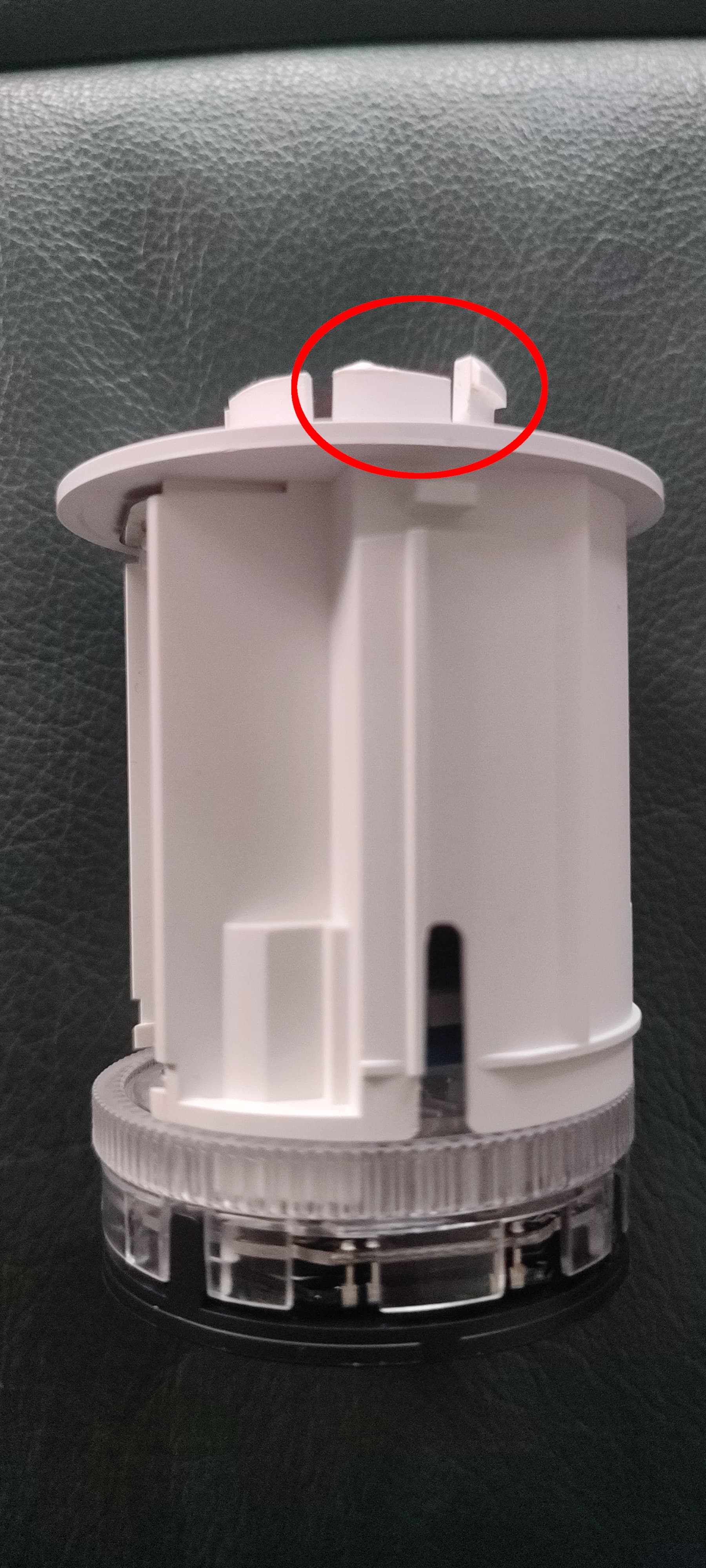
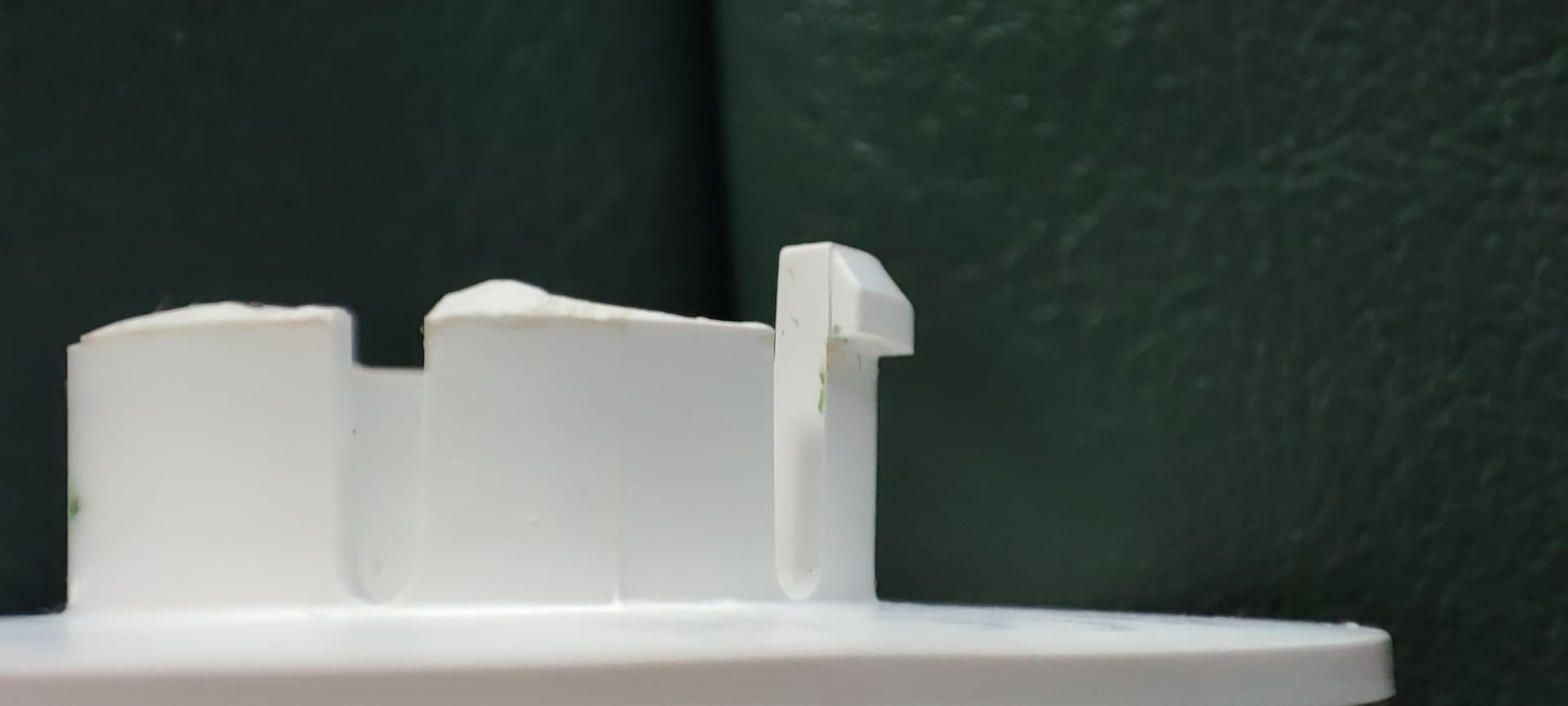
My guess is that the valve on the radiator seized to some degree so when the thermostat tried to push down it wouldn’t move and something else had to give. In my case it was these lugs, but quite possibly the same type of failure you had too.
Curiosity got the better of me so I removed and stripped it down just now. Sure enough, the plastic posts inside were broken (two of them) where the screws locate. Replaced those screws with slightly larger ones and it seems to be working OK. I had noticed it sounded like it was pulsing when trying to open the valve but it doesn’t seem to be doing that now, so hopefully it’s fixed. Thanks very much for the pointer.
2 Likes
If you google after “Aqara E1 TRV housing 3d model”, you will find a Model you can use to 3d print your own better housing for your thermostat and replace the not so well designed ones.
Aqara could also release the 3d Model of the motor case with better hole so that users who already bought the E1 can fix their thermostats.
I had the same issues with 2 out of my four thermostats, but thankfully I still had them in warrany and got a replacement unit.
Can’t really believe that a company as big as Aqara missed this in the QA phase