Happy 1st Anniversary to the Aqara Forum! It’s amazing to see how much this community has grown, and I’m super excited to share where my own journey began.

Like many smart home enthusiasts, my origin story started with a very specific, highly annoying problem: the dreaded “motion sensor wave.” Before Aqara, I was using basic PIR sensors in my home office and living room. Every time I sat still to read a book or focus on my computer, the lights would shut off. I spent half my time waving my arms in the dark just to get the lights back on! I knew there had to be a better way, and that’s when I discovered My-First-Aqara device: the Aqara FP2 presence sensor.
I was absolutely blown away by the mmWave technology. The functionality, build quality, and sheer performance were on another level compared to anything else I had tried.
Automations
My very first automation with it was mapping out my open-plan living room into specific zones. I set up the FP2 to detect exactly where I was in the room:
The couch zone: If I sit on the couch, it triggers a cozy, dimmed lighting scene perfect for watching TV.
The kitchen zone: If I move to the kitchen from the couch, it would instantly increase the lighting.
The hallway: When I go to bed, the TV and, after a delay, also the lights turn off.
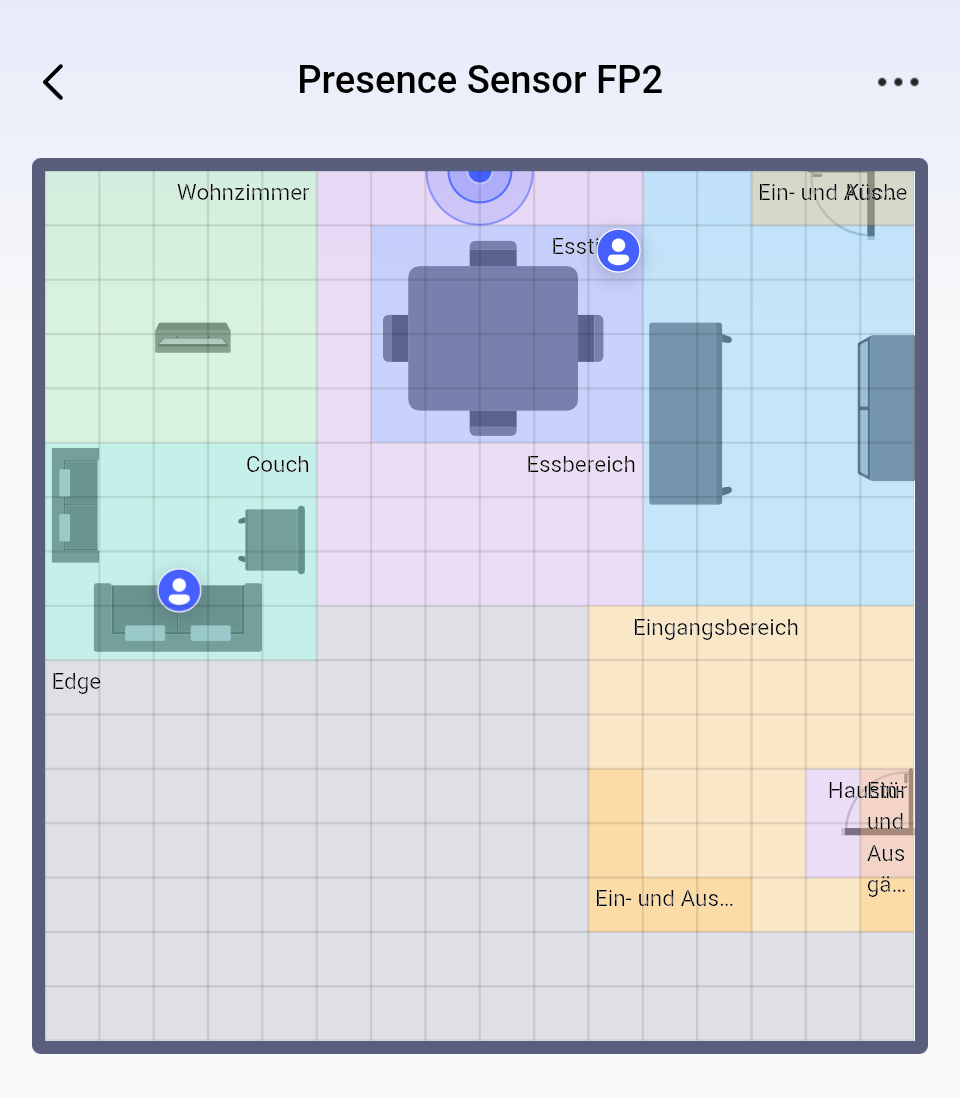
The best part? No more waving. It knew I was there even if I was perfectly still, just breathing. It completely changed how I interacted with my home, and to this day, it remains one of my absolute favorite sensors.
More and more Aqara devices
The FP2 was the gateway device that proved to me how reliable Aqara gear is. Because the FP2 worked so flawlessly, it didn’t take long for me to dive straight into the deep end!
Since that first purchase, my setup has exploded. I’ve now adopted the newer FP300, secured my doors and windows with the Matter-enabled P2 sensors, and replaced my dumb wall plates with Aqara smart switches to control my growing network of Aqara LED lights. Everything works together in perfect harmony.
@markus Thanks so much for sharing your Aqara journey—this is exactly the kind of story that makes our community thrive! The “motion sensor wave” struggle is so relatable—who hasn’t flailed their arms in the dark to keep the lights on? It’s awesome to hear how the FP2’s mmWave tech solved that for you, and your zone-based automations (couch cozy mode, kitchen brightness boost, bedtime shutdown) sound like a total game-changer.
It’s no surprise the FP2 became your gateway device—when a product just works that seamlessly, it’s hard not to dive deeper! Love that you’ve expanded to the FP300, P2 sensors, and smart switches too—your setup sounds like a smart home dream.
Would love to hear more details sometime—like how you mapped those zones, or if the FP300 has brought any new tricks to the mix. Keep the stories coming—they’re super inspiring for fellow Aqara fans!
Good questions! I actually tried multiple positions for the FP2 before I was happy. As it requires to be powered by a USB charger, I used Gemini to create a simple tool to calculate the area which wouldn’t be covered at various distances:
You can find it at https://g.co/gemini/share/8ddae676f664. You can use it for every sensor which has a specific field of view as it’s configurable. So e.g. also a classic PIR.
With the FP300s I got later I was able to work cover areas where no power was nearby. They are very flexible as they are battery powered and can be attached to metallic surfaces like door frames.
@markus Wow, that’s such a clever workaround! Creating a custom tool to calculate coverage areas must have taken a lot of effort—thanks for sharing the link, that’s incredibly helpful for anyone struggling with FP2 placement (or even other sensors with specific fields of view like PIRs). It’s awesome to hear the FP300’s battery-powered design and metallic surface compatibility solved those “no nearby power” headaches. Have you noticed any standout features with the FP300 compared to the FP2, or is there a specific automation with it that you’re most proud of? Would love to hear more details!
The main missing feature of the FP300 are zones. They make the FP2 so unique. I hope one day Aqara releases a battery-powered presence sensor supporting multiple zones tracking multiple people.
On the flip side, I really like the fact that the FP300 includes temperature, humidity and illuminance sensors.
@markus Thanks for sharing your detailed thoughts on the FP300 and FP2! It totally makes sense that the FP2’s zone feature stands out—it’s indeed a unique capability that lets users get super precise with automations, like setting up specific areas for different scenes. And you’re spot on about the FP300’s integrated sensors—having temperature, humidity, and illuminance all in one device adds so much versatility to smart home setups.
Your feedback about hoping for a battery-powered sensor with multi-zone and multi-person tracking is really valuable! For product suggestions like this, you can submit them through the Aqara Home App Customer Service Team (Profile> Help & Feedback > Customer Service) or scan the QR code:
Yeah, absolutely. I can only imagine what you are already working on for the next version. I’m thinking of things such as fine-grained gesture detection which would unlock a plethora of new possibilities…