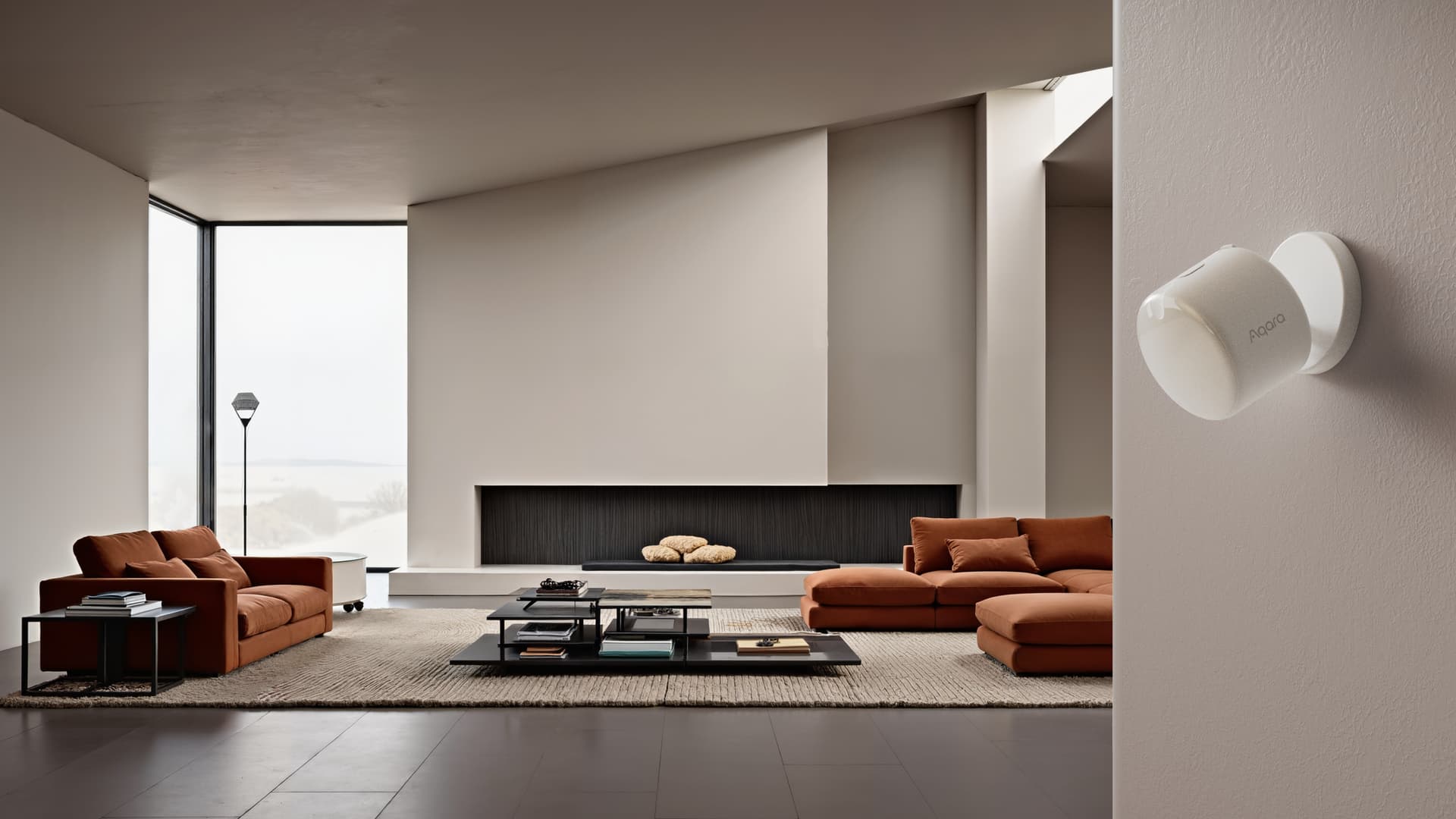
Millimeter-wave radar is what makes the Aqara FP300 a standout presence sensor – it detects even subtle movements like breathing, keeping your smart home automations on point. But nailing the setup and understanding its quirks is key. If you’re dealing with “ghost detections,” missed presence alerts, or the sensor refusing to switch to “absence”, we’ve got you covered. These targeted fixes will help your FP300 perform like a pro!
Let’s dive into the most common issues and how to solve them – step by step, no tech jargon required! 
1. Issue: “Someone is present, but the sensor says ‘no one’” / Can’t detect static people
If the FP300 fails to recognize you when you’re sitting still (e.g., working at a desk or resting) or incorrectly reports an empty room, try these fixes:
- Let the device learn its environment
 : New devices or sensors moved to a new spot need ~10 minutes of “quiet time” (no one in the area) to finish spatial learning. Want to speed it up? Go to Zigbee mode’s “On-site configuration” and run “AI Spatial Background Learning.”
 - Optimize installation position
 : Ensure the sensor has a clear line of sight – no obstacles in front. Aim it directly at the main activity area (e.g., sofa, bed, desk) for the best coverage.
 - Adjust the absence delay timer
 : Lengthen the “Absence Delay Timer” (cool-down period) in settings. This gives the sensor more time to confirm the room is empty before switching to “no one.”
 - Match sensitivity to your scene
 : Higher sensitivity = better at detecting static people. Choose based on how long you stay in the area:
- Low: Bathrooms, hallways (stay <20 mins)
- Medium: Studies, living rooms (daily use)
- High: Bedrooms (stay >8 hours, e.g., sleeping)
2. Issue: “No one is here, but the sensor still says ‘someone’” (False alerts)
False “someone present” alerts are usually caused by interference or misconfigured settings – here’s how to fix them:
- If it’s “Infrared Motion Detected” false alerts
 : PIR sensors are sensitive to temperature changes. Use the “Presence/No Presence” status (not “Infrared Motion Detected”) as your automation trigger – it’s far more reliable.
 - If it’s radar false alerts (dual presence mode)
 :
:
- Customize detection range: In Zigbee mode’s “On-side Configuration,” set a specific detection distance to exclude non-target areas (e.g., avoid triggering from a curtain or a fan).
- Lower sensitivity: Less sensitivity = stronger anti-interference. Follow the same scene-based guide above (low for short stays, high for long stays).
3. Issue: “I left the room, but the sensor won’t switch to ‘no one’”
Stuck on “someone present” even after you’ve left? Try these troubleshooting steps:
- Update firmware first
 : Outdated firmware can cause glitches. Make sure your FP300 is running the latest version – check in the Aqara app.
 - Refine detection range
 : Use Zigbee mode’s “On-side Configuration” to narrow the detection distance. This prevents the sensor from picking up movement outside your target area.
 - Re-run spatial learning
 : Go to “On-side Configuration” and execute "AI Spatial Background Learning again. Ensure the room is empty during this process so the sensor re-learns the “empty” environment.
 - Adjust sensitivity : Refer to the scene-based sensitivity guide above – lowering it can reduce interference from non-human movement.
- Be patient with interference sources
 : Moving curtains, swaying ceiling lights, or air flow can mimic subtle human movement. Give the sensor a few minutes to adapt – it will learn to distinguish interference over time.
Pro Tip for All Issues: Test After Adjustments! 
After tweaking settings or repositioning the sensor, do a quick test: Walk in, sit still, then leave the room. Check if the sensor switches between “someone” and “no one” correctly. Small adjustments (like minor angle changes or sensitivity tweaks) can make a big difference!
With these fixes, your Aqara FP300 will deliver the precise, reliable detection it’s known for. If you still have questions, drop a comment below - the community are always here to help! 
#AqaraFP300 #DetectionTips #SmartHomeHacks #TroubleshootingGuide