Good afternoon.
So winter is ending and so let’s get ready for the hot summer.
The idea of the lesson and automation was suggested to me by a forum user who was looking for a way to control the air conditioner.
Let’s start.
Let’s consider controlling the temperature in the room (cooling) using the air conditioner.
We have the following components:
- gateway M3 (M2),
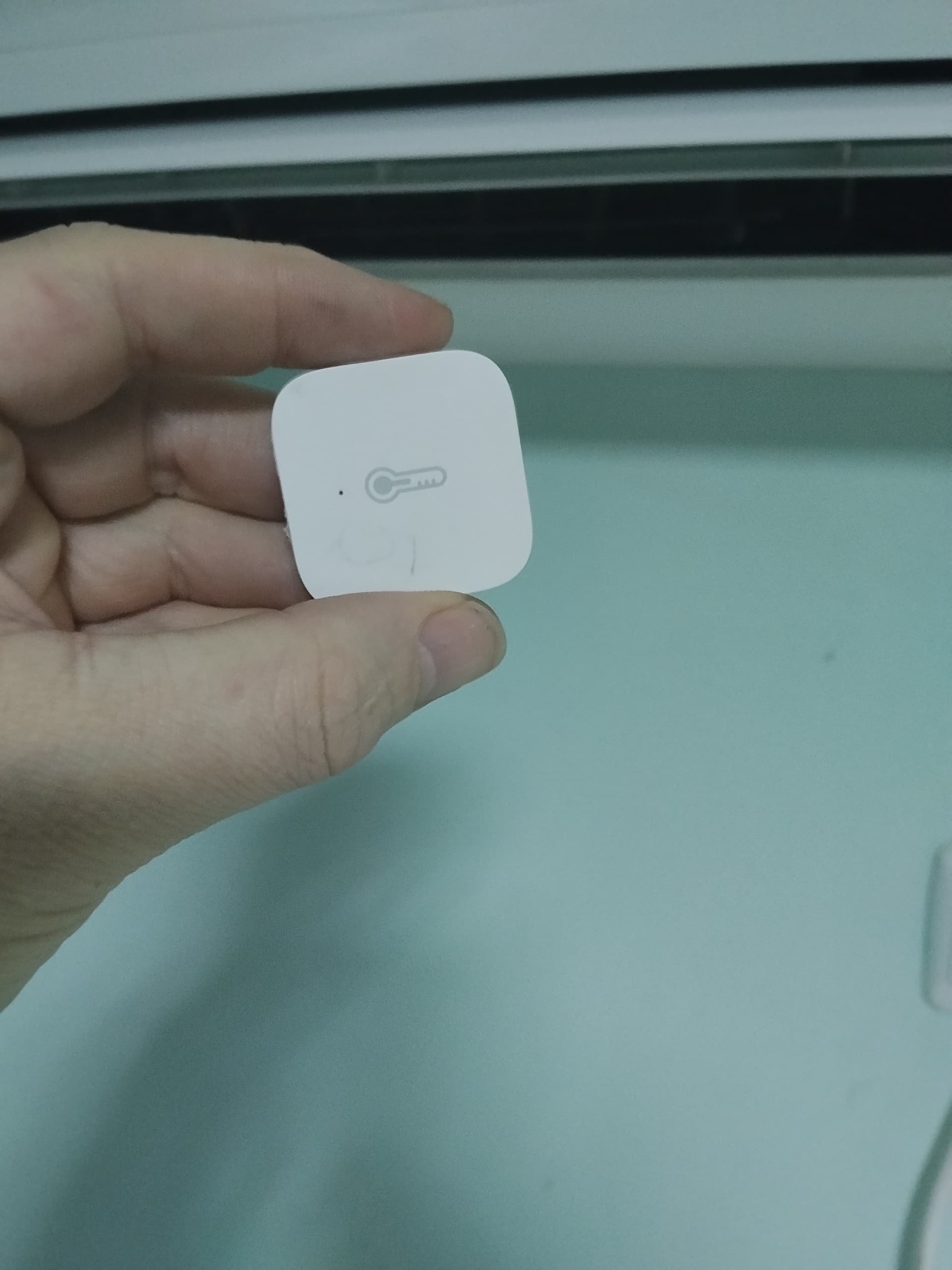
- temperature sensor T1 (or old type),
- temperature sensor W100,
- LG air conditioner.
Solution to the problem.
The main problem of controlling the air conditioner using the IR built into the M3 is the lack of feedback between the air conditioner and the gateway. If the air conditioner is on, the gateway has no information about the state of the air conditioner (On or Off).
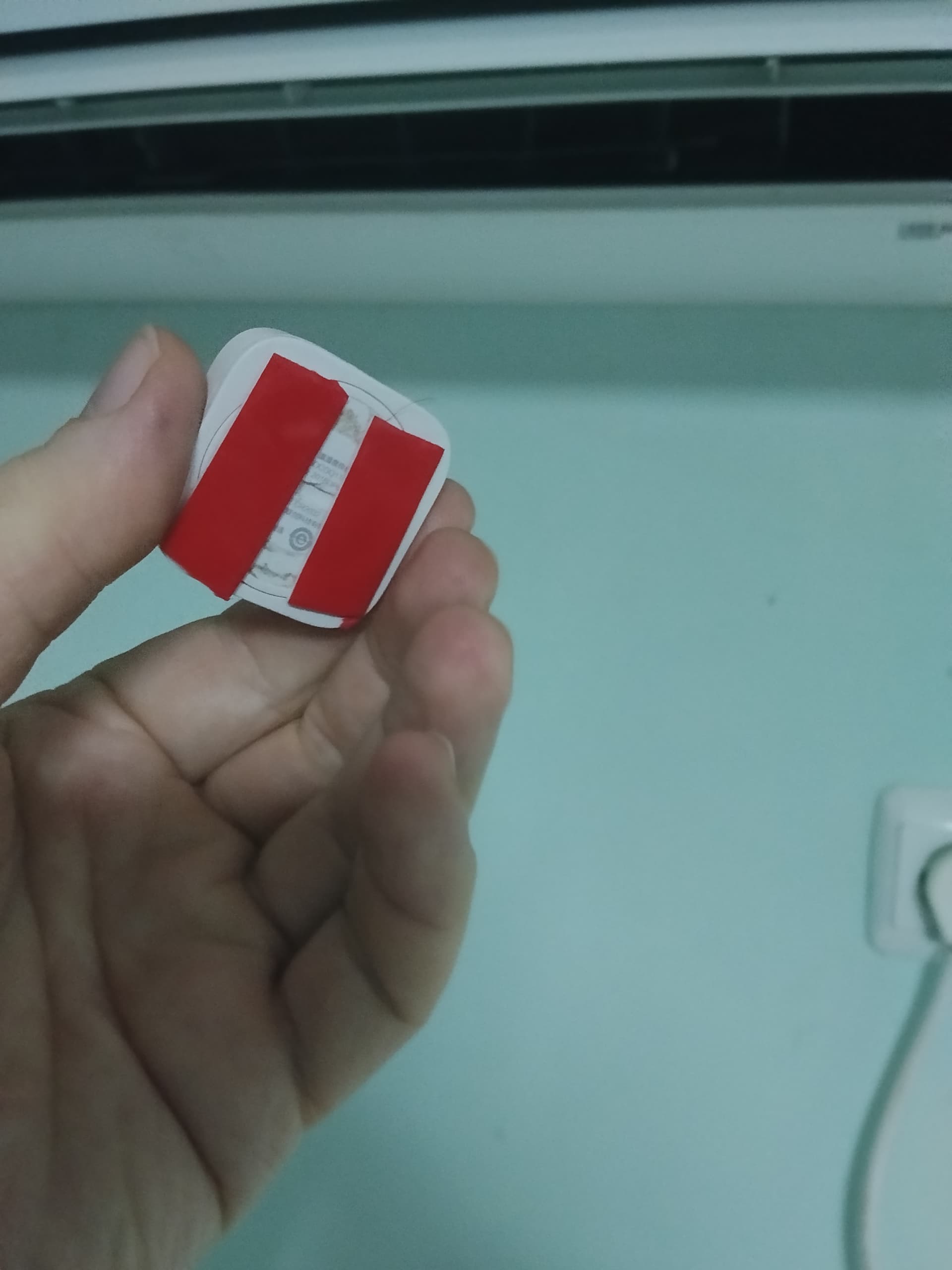
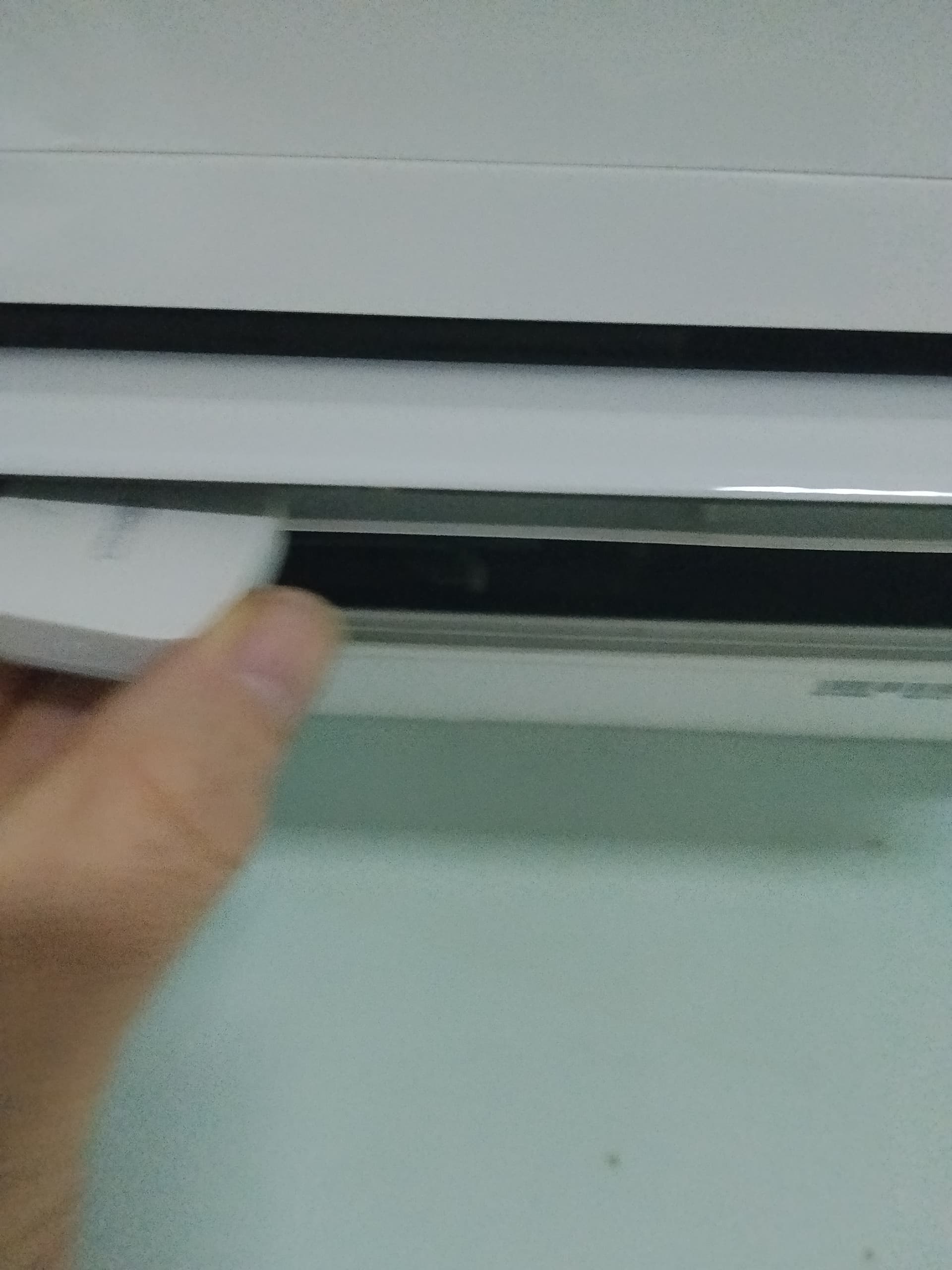
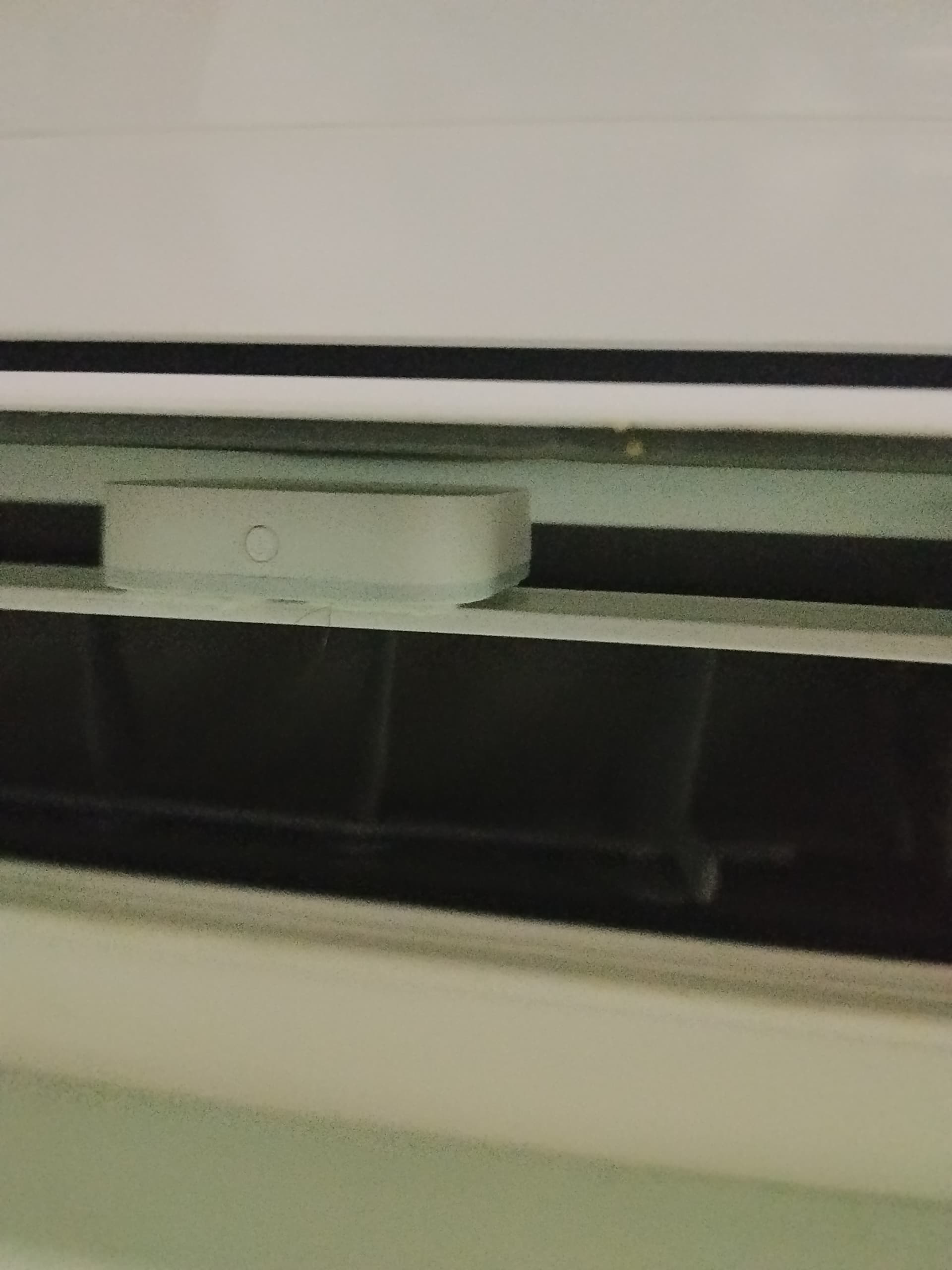
We will solve this problem with a conventional temperature sensor by placing it on the air conditioner blinds, if the air conditioner is on, the temperature will always be lower than the room temperature. This know-how will give us relevant information about the state of the air conditioner.
If the air conditioner is On - the temperature is less than 18°C (<18°C), if Off - >18°C. These are my studies, everyone may have different ones.
Fig.
AUTOMATION.
Now we create automation for temperature control, the main condition will be the temperature on the air conditioner blinds.
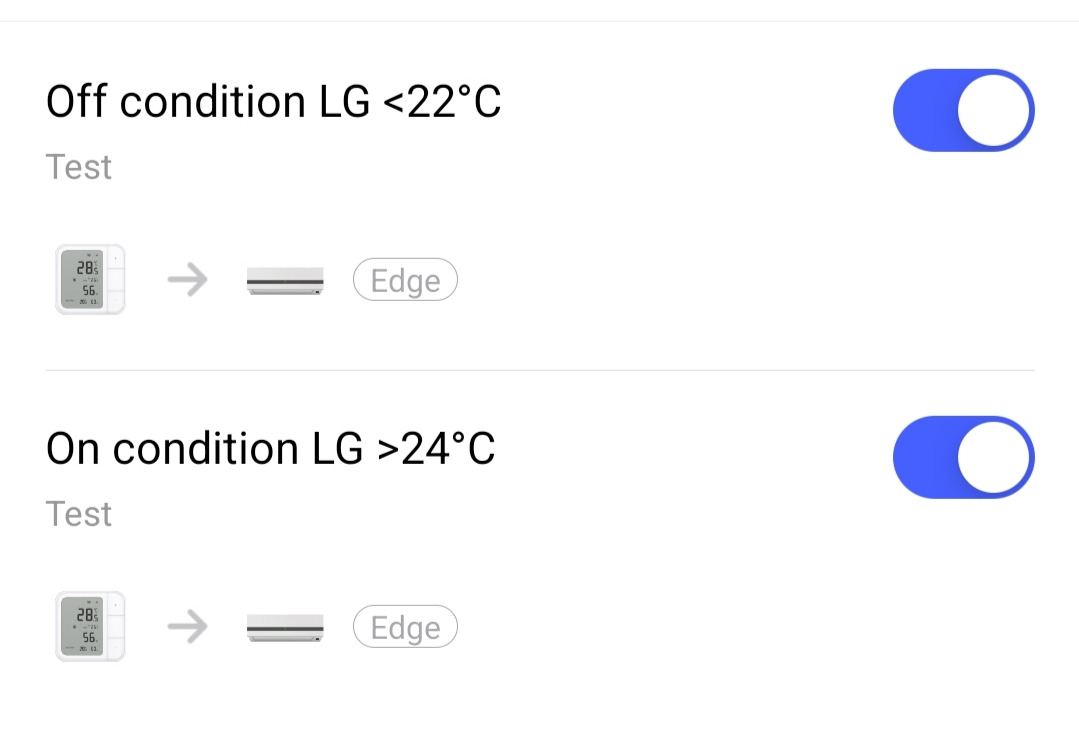
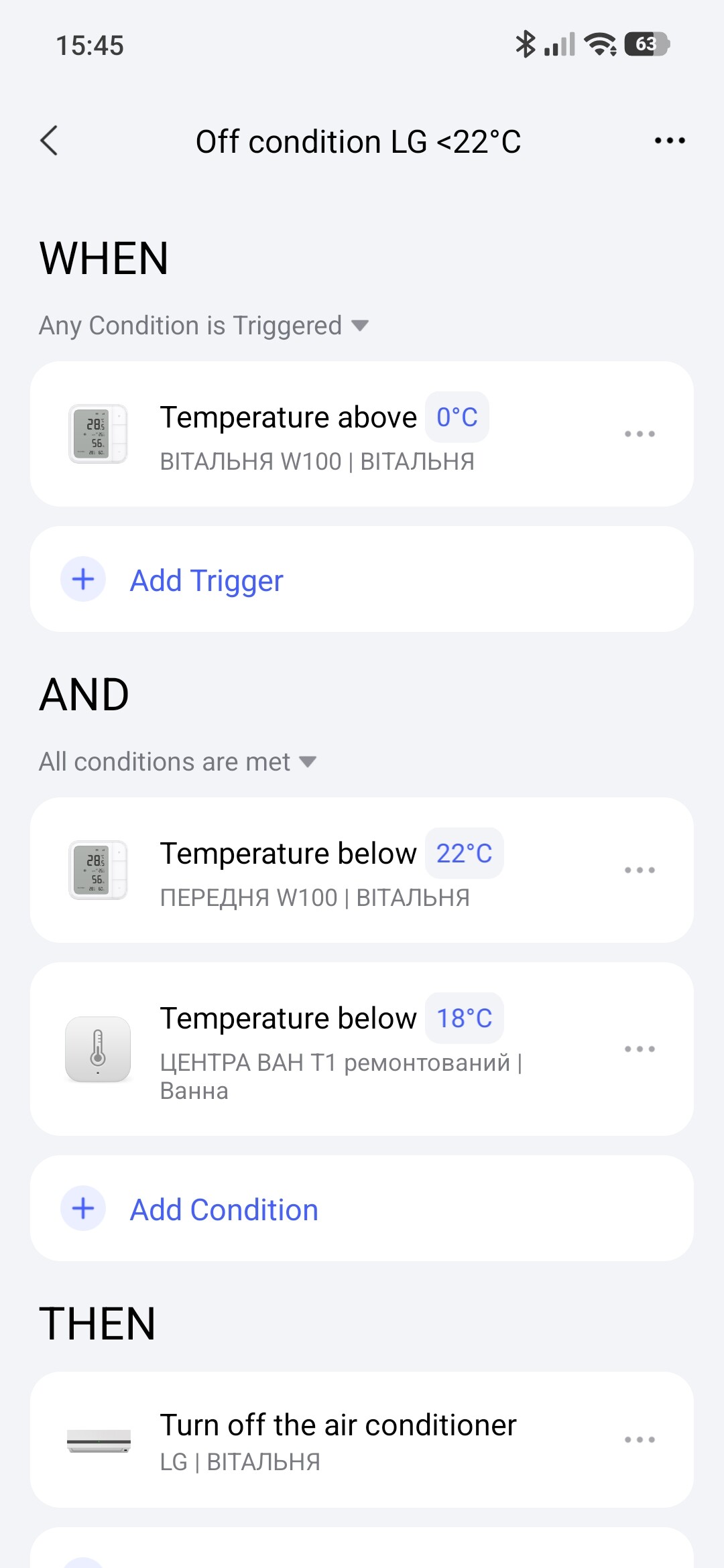
Cooling off <22°C.
WHEN
- W100 > 0°C
IF - W100 < 22°C
- T1 < 18°C
THEN
Off air conditioner.
Air conditioner on >24°C.
WHEN
- W100 > 0°C
IF - T1 > 18°C
- W100 > 24°C
THEN
On air conditioner 19°C.
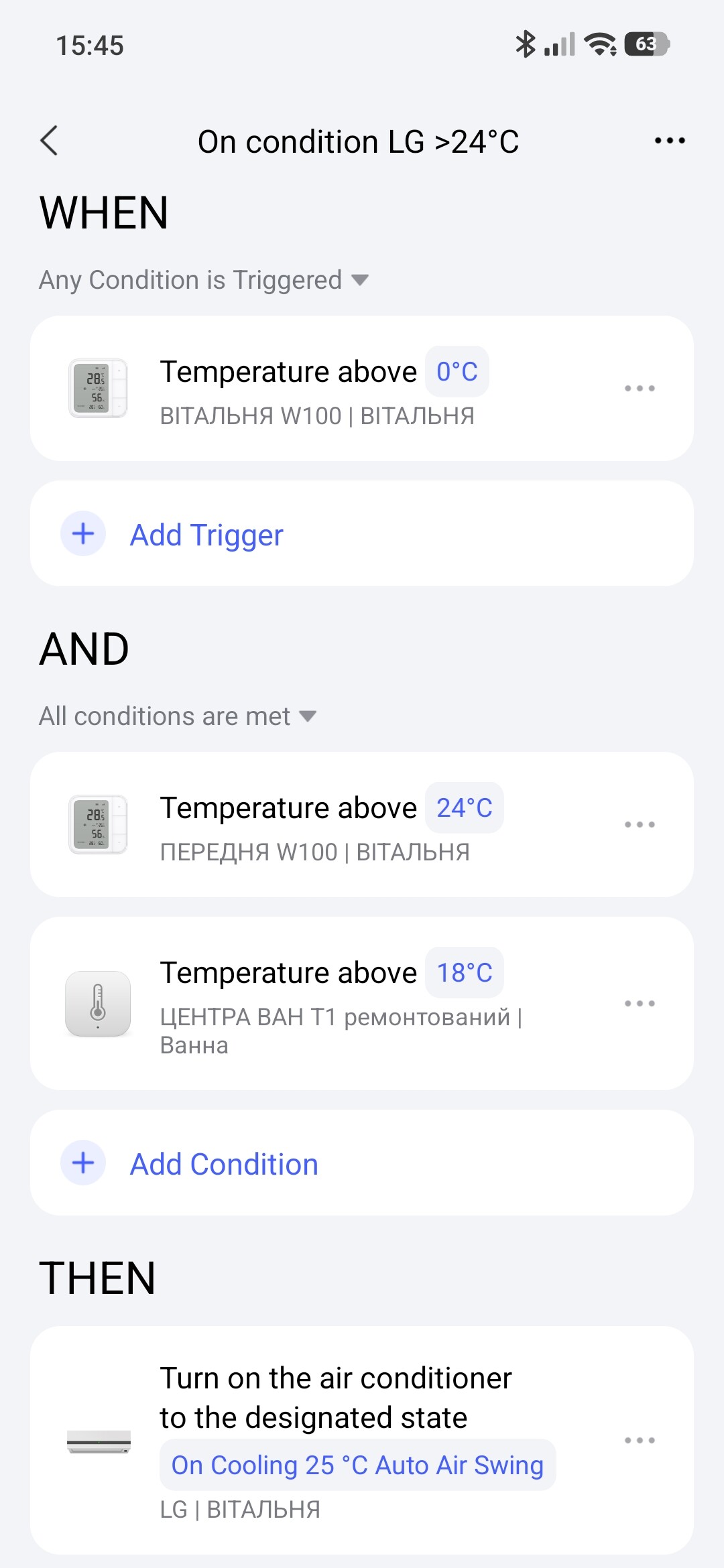
Explanation, the condition - W100 > 0°C works as a constant trigger for polling the IF condition. ( Automation 2.0, lesson 1 (continued), description of the algorithm for transitioning automation 1.0 to 2.0 ).
By the way, this control system can work for an air conditioner that works for heating. The algorithm of operation will be the same as for cooling, only the other way around.
I will not describe the automation, I hope you will do it yourself as homework.
This is where I will end this lesson.
Thank you for reading and sharing the topic (you can also on other platforms with a link to our forum).
More to come.